Book a consultaion
Fill out the form and our administrator will contact you to schedule a visit.
Thank you! Your request has been received. We will contact you shortly.
Oops! Something went wrong. Please try again.

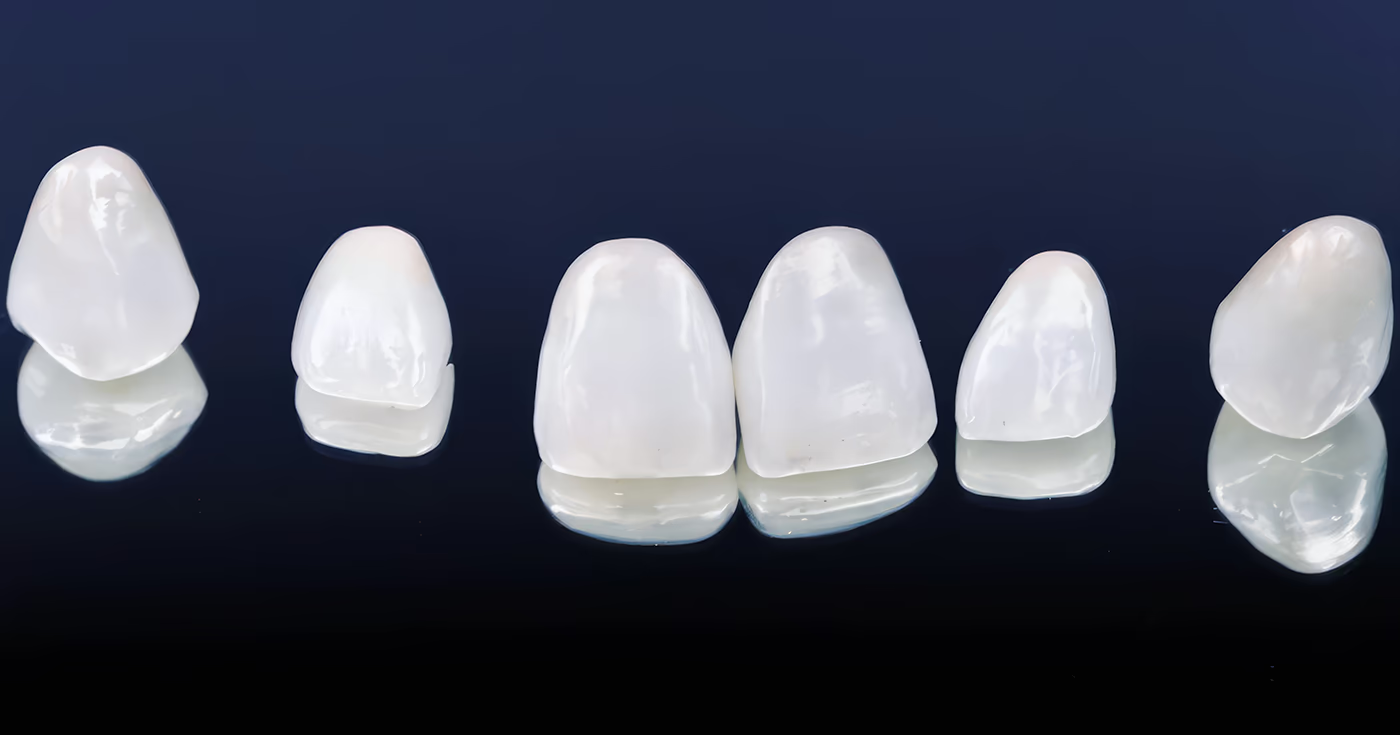
The question of veneer pricing remains one of the most common among patients planning aesthetic dental treatment. In 2026, interest in veneers continues to grow, along with the number of questions about actual costs, differences between options, and what exactly the patient is paying for.
In this article, we take a detailed look at how much veneers cost in 2026, why prices can vary significantly, and which factors truly influence the final cost of treatment.
One of the first disappointments patients encounter is the absence of a fixed price. Veneers are not a standard service with the same cost for everyone. Each clinical case is individual, and aesthetic treatment always requires a personalized approach.
The price is not formed solely by the cost of the material itself. It includes diagnostics, treatment planning, the dentist’s work, fabrication of the veneers in a dental laboratory, and the final result the patient sees in the mirror.
In 2026, the cost of veneers in Kyiv remains within a fairly wide range. This is due to differences in materials, technologies, and the level of dental clinics.
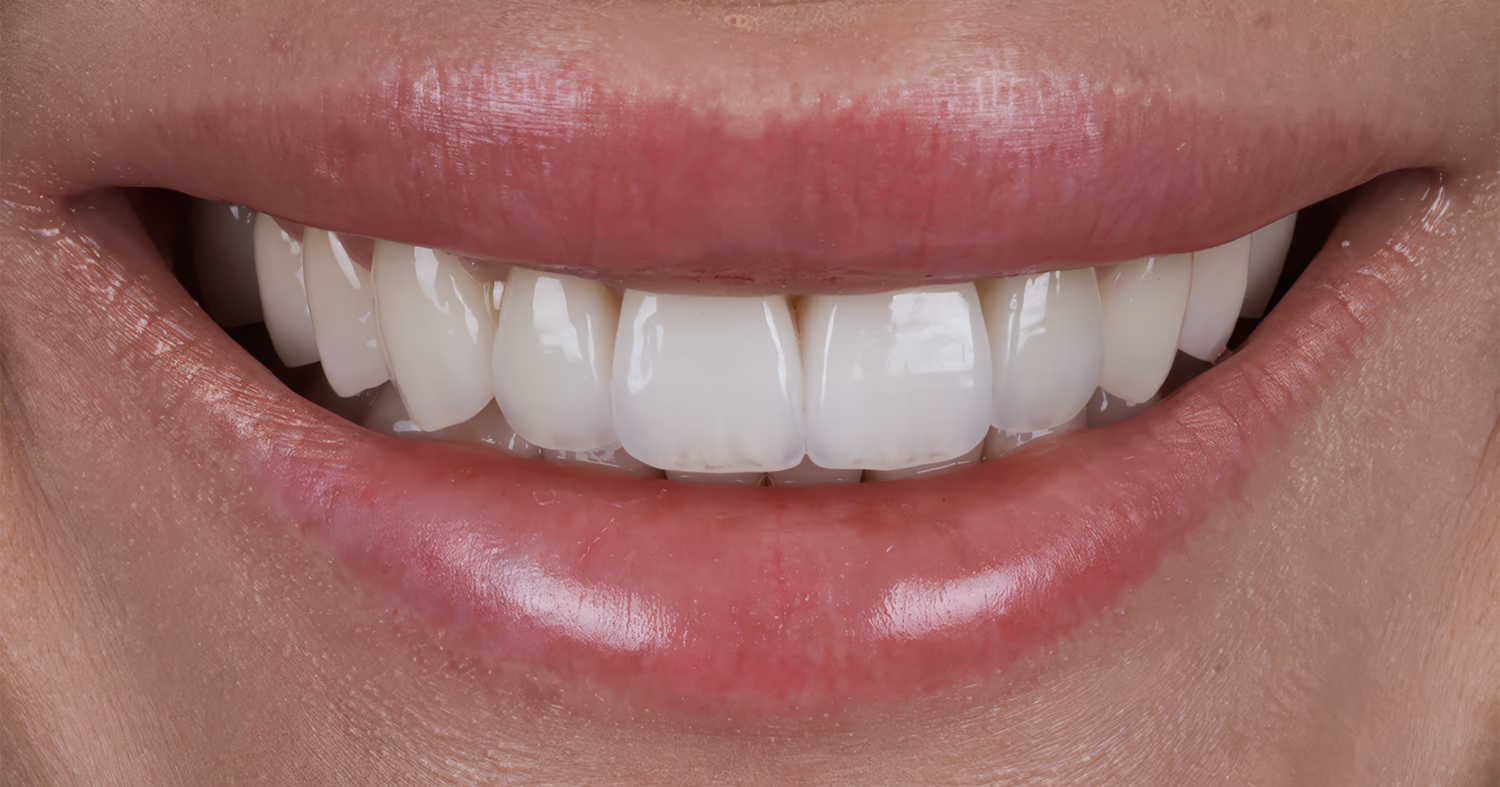
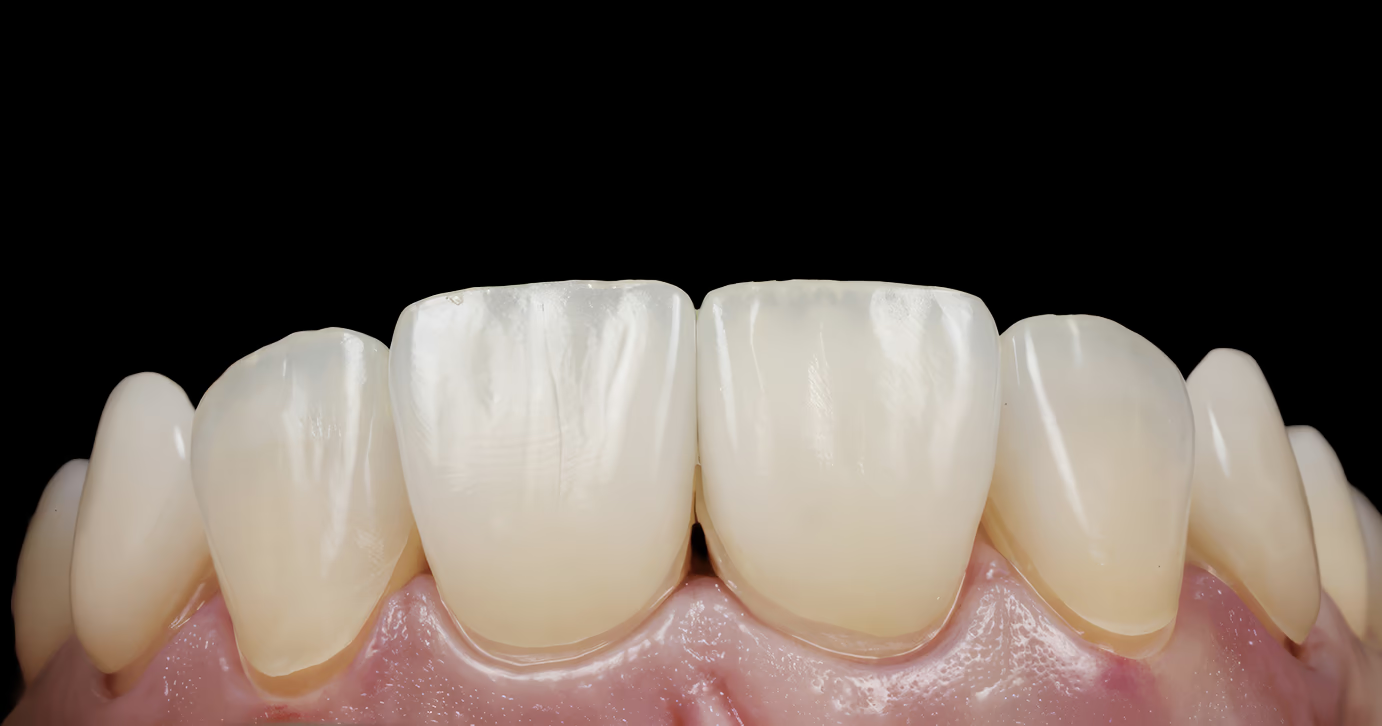
Ceramic veneers are more expensive than composite restorations because they are individually fabricated in a dental laboratory, offer superior aesthetics, and have a long service life. This option is most often chosen by patients who view veneers as a long-term investment in their smile.
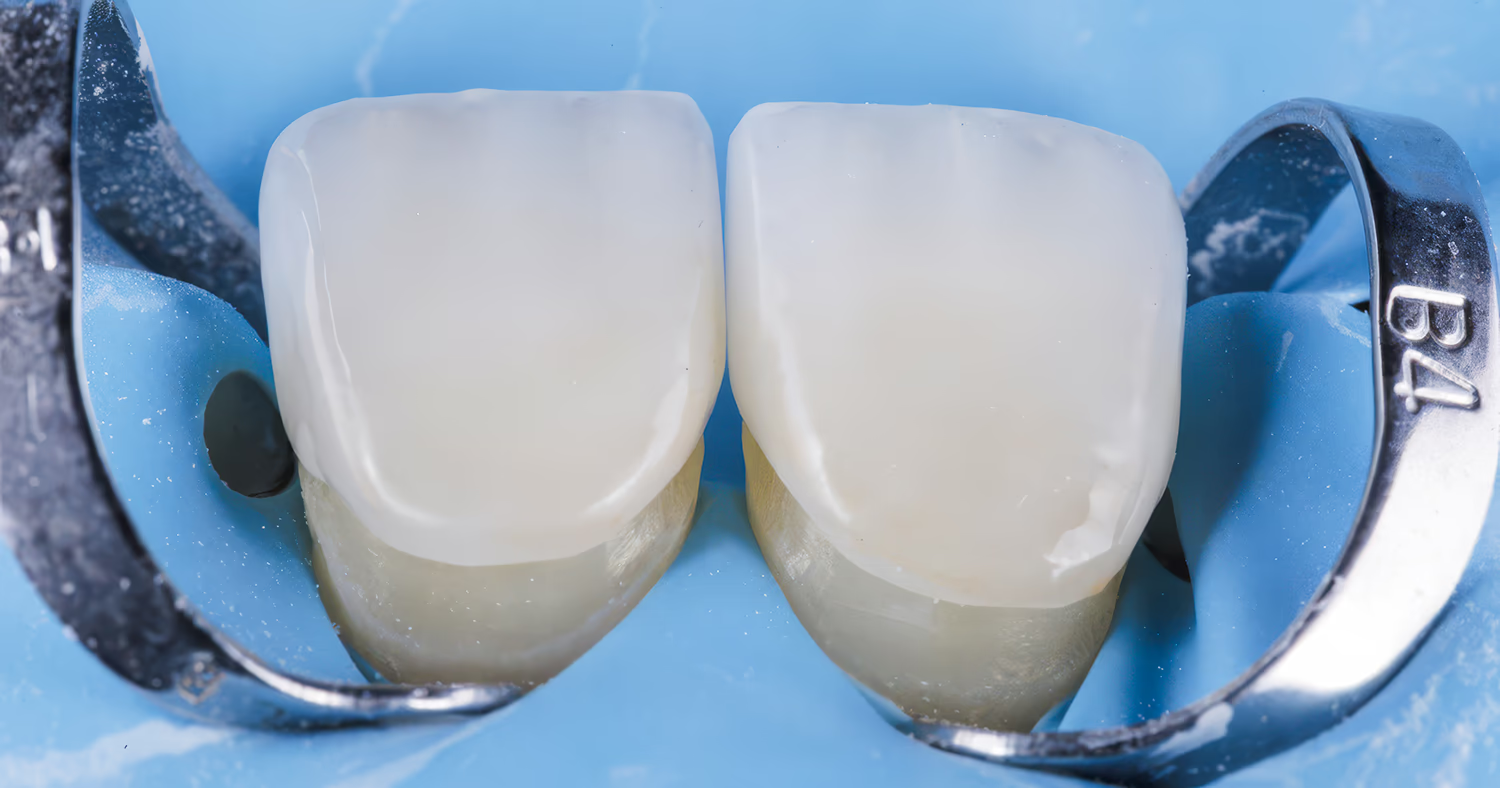
The price of composite veneers is lower since they are created directly in the clinic and do not require a laboratory stage. However, it is important to consider that such veneers have a shorter lifespan and require more careful maintenance.
The material used to fabricate the veneers has the greatest impact on the price. Ceramic materials from different manufacturers can vary significantly in their properties and aesthetics, which directly affects the cost.
The second important factor is the number of teeth. Patients often choose to place veneers not on a single tooth but on the entire smile zone to achieve a harmonious result. Accordingly, the total cost depends on the scope of work.
The complexity of the clinical case also plays a major role. Bite alignment, tooth position, and the condition of the enamel and gums may require additional treatment or preparatory stages.
The level of the clinic and the dentist’s experience are equally important. Aesthetic dentistry is work with fine details, where even a small mistake can compromise the entire result. That is why the specialist’s qualifications and the use of modern technologies are so critical.
In 2026, patients are becoming more informed and increasingly avoid choosing treatment based solely on the lowest price. Veneers are not a temporary procedure but a long-term solution. An unusually low cost often means compromises in materials, planning, or execution quality.
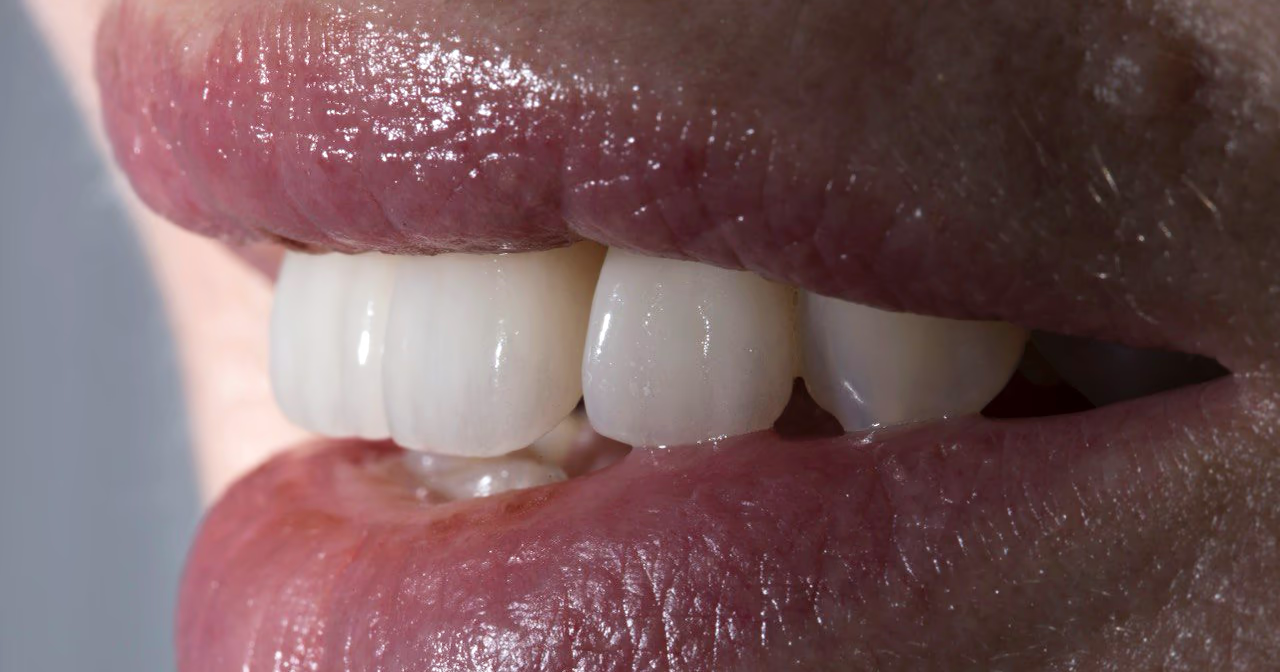
High-quality veneers should look natural, feel comfortable in everyday life, and not harm dental health. That is why it is important to evaluate not only the price, but also the clinic’s overall approach to treatment.
In our clinic, we always start with a detailed consultation and diagnostics. The patient receives a clear understanding of the possible treatment options, their advantages, and specific features. We explain what the cost consists of, which stages are included, and what result can be expected.
This approach helps avoid unpleasant surprises and allows the patient to make an informed decision about veneer treatment.
In 2026, the cost of veneers is formed by many components, which is why there is no universal price. The final cost is directly influenced by the complexity of the clinical case, the chosen treatment approach, as well as the material and the number of teeth. In our clinic, we always begin with thorough diagnostics and planning to offer the patient an optimal solution with a predictable and long-lasting result.
We believe that veneers are an investment not only in aesthetics, but also in comfort and dental health. That is why during the consultation, we carefully explain all stages of treatment and help select the solution that best matches the clinical situation and the patient’s expectations.