Wisdom Tooth Removal

Safe tooth extraction without stress or pain
Wisdom tooth removal is one of the most common surgical procedures in dentistry. Third molars often erupt incorrectly, causing pain, inflammation or pressure on neighbouring teeth. In such cases, extraction is the most reliable way to protect the health of the oral cavity.

At Sergatiy Dental Clinic, we perform wisdom tooth extractions of any complexity — from simple removal to the extraction of impacted and malpositioned third molars under sedation.
Book a Consultation

Advantages of Wisdom Tooth Removal at Sergatiy Dental Clinic

PAINLESS
Local anaesthesia or medication-induced sleep (sedation) ensure maximum comfort without pain.
EXPERIENCE
All procedures are performed by surgeons with extensive experience in complex extractions.
PRECISE PLANNING
3D imaging (CBCT/CT) allows us to accurately assess the anatomy and plan the surgery.
SAFETY
Strict sterility protocols and certified materials at every stage of treatment.
MINIMALLY INVASIVE APPROACH
Minimal tissue trauma thanks to microsurgical instruments and faster healing
with A-PRF (advanced platelet-rich fibrin).
FOLLOW-UP CARE
Postoperative monitoring, clear recommendations and support until full recovery.

When Should a Wisdom Tooth Be Removed

Pain and inflammation
During eruption, the tooth can traumatize the gum, causing pain, swelling and pericoronitis.
Wisdom teeth often erupt incorrectly, remain partially covered by gum tissue and put pressure on surrounding structures. This may lead to pain when chewing and limited mouth opening.
Damage to neighbouring teeth
Even without pain, a tilted third molar may press on the root of the adjacent tooth, provoking caries or even root resorption.
Bacterial accumulation
Incorrect position of the tooth creates a niche that is difficult to clean. Food debris accumulates there, bad breath appears, caries develops and inflammation affects neighbouring teeth.
Bite disturbances
Malpositioned wisdom teeth can shift the dental arch, change load distribution and cause pain in the temporomandibular joint (TMJ).
Before orthodontic treatment
During or after braces or aligner treatment, wisdom teeth may shift other teeth and compromise the result.
That is why we often recommend removing them before starting orthodontic treatment.
Tooth wear
The force transmitted from wisdom teeth can affect the entire dental arch, leading to enamel wear, shortening of the teeth and increased sensitivity. Over time, this may reduce the vertical dimension of occlusion.
Levels of Wisdom Tooth Extraction Complexity
Assessment of wisdom tooth extraction complexity based on position and anatomy
The surgeon assesses a number of factors:
• Whether the tooth is fully erupted, partially erupted or remains under the gum
• Location: upper or lower jaw, and the angulation of the tooth
• Proximity to anatomical structures (maxillary sinus or inferior alveolar nerve)
• Presence of inflammation or pathological changes in the area
Level 1 – Simple extraction
The tooth is fully erupted, has a standard root anatomy and good access.
The procedure is performed quickly and does not require additional surgical steps.
Level 2 – Moderate complexity
The tooth is partially erupted (partially impacted) or significantly destroyed.
It may have complex root morphology or limited access.
Additional manipulations are required to remove it safely.
Level 3 – Complex surgical extraction
An atypical wisdom tooth — unerupted or deeply impacted, with an unusual position.Located close to the maxillary sinus or inferior alveolar nerve.Removal requires sectioning the tooth and working in anatomically complex areas.
A separate category includes:
• Supernumerary teeth
• Wisdom tooth germs
• Ectopic teeth located outside the normal dental arch

These are complex clinical situations that require extensive experience and maximum precision.

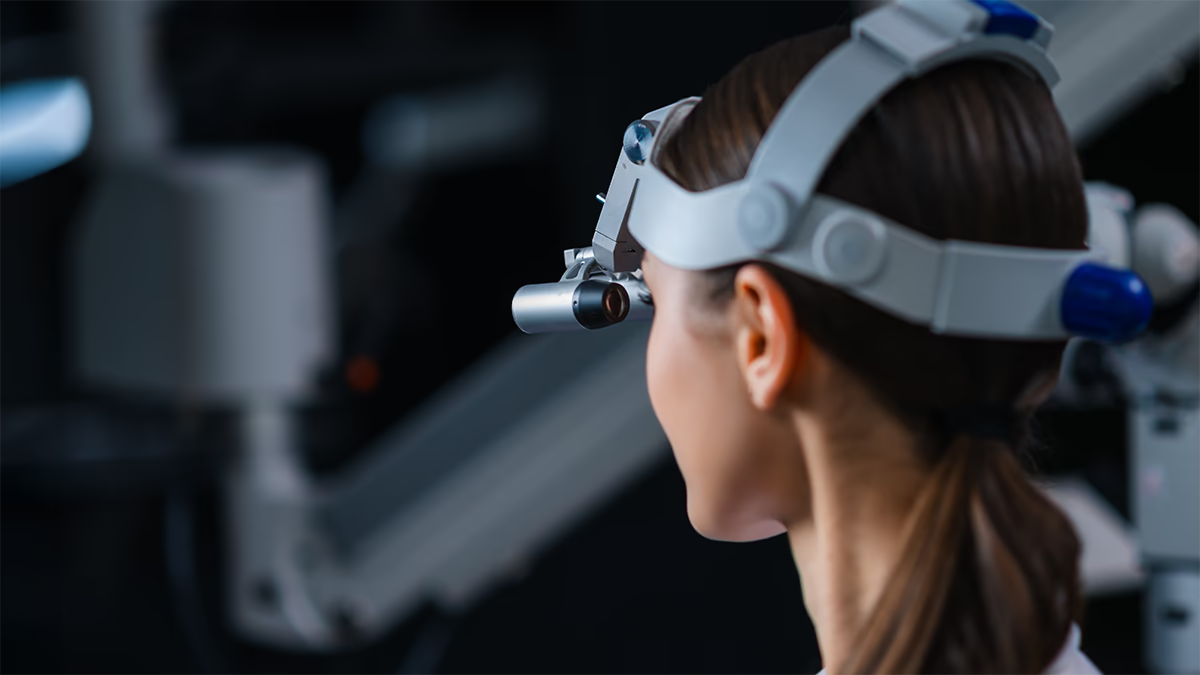
At Sergatiy Dental Clinic, such procedures are performed using optical magnification and medication-induced sleep (sedation).
How Wisdom Tooth Removal Is Performed
1

Consultation and CBCT (3D) analysis

CBCT/CT allows us to determine:
• the position of the tooth;
• direction of eruption;
• root anatomy;
• proximity to the inferior alveolar nerve or maxillary sinus.
Patient consultation and CT scan analysis before wisdom tooth extraction
2

Anaesthesia

Wisdom tooth removal is performed under local anaesthesia, so the patient does not feel pain.

For suitable cases, medication-induced sleep (sedation) is also available.

Sedation is recommended if you:
• experience fear or anxiety before wisdom tooth extraction;
• have a pronounced gag reflex;
• require complex or prolonged surgical intervention.
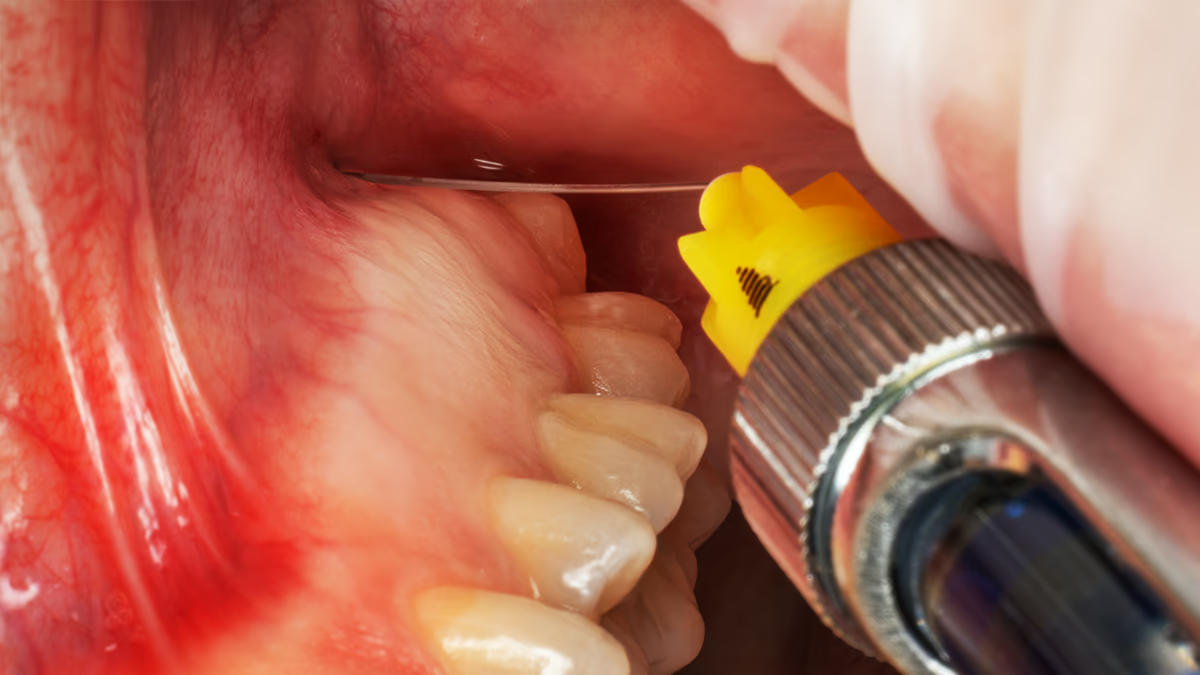
Local anesthesia during wisdom tooth removal — painless dental procedure
3

Extraction of the tooth

The duration of wisdom tooth removal depends on the level of complexity.

The surgeon uses atraumatic techniques and microsurgical instruments:
• makes minimal incisions to reduce trauma to soft tissues and bone;
• applies A-PRF technology to accelerate healing and reduce swelling;
• closes the wound with atraumatic suturing to ensure a comfortable recovery.
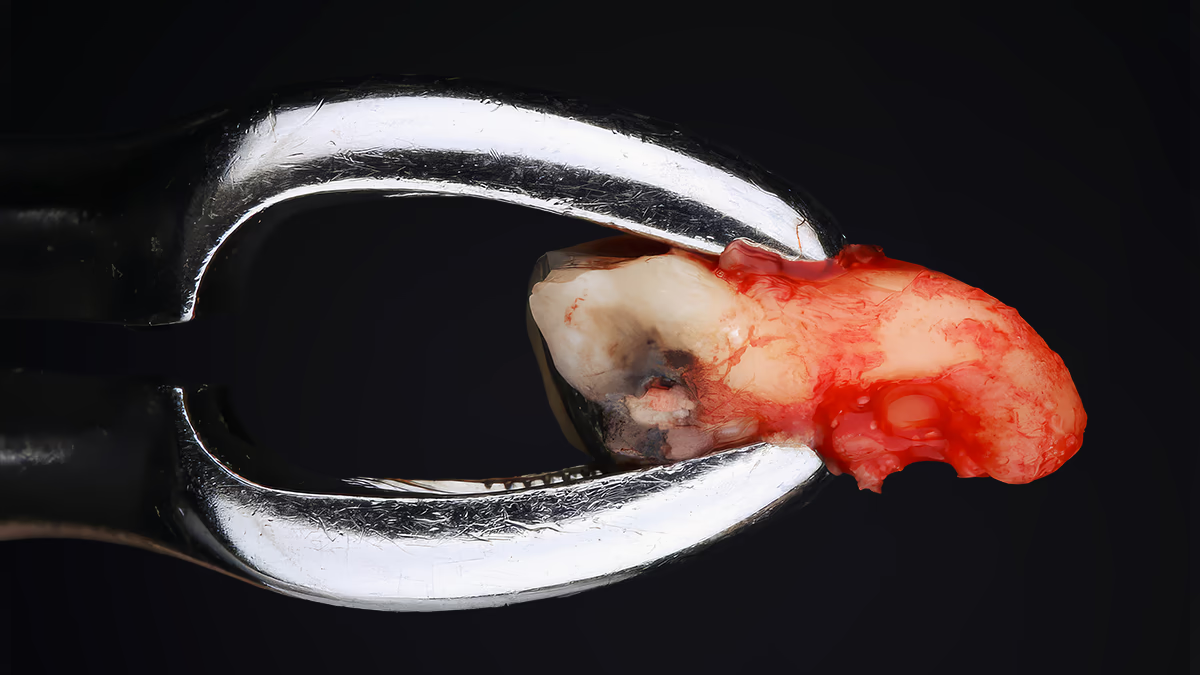
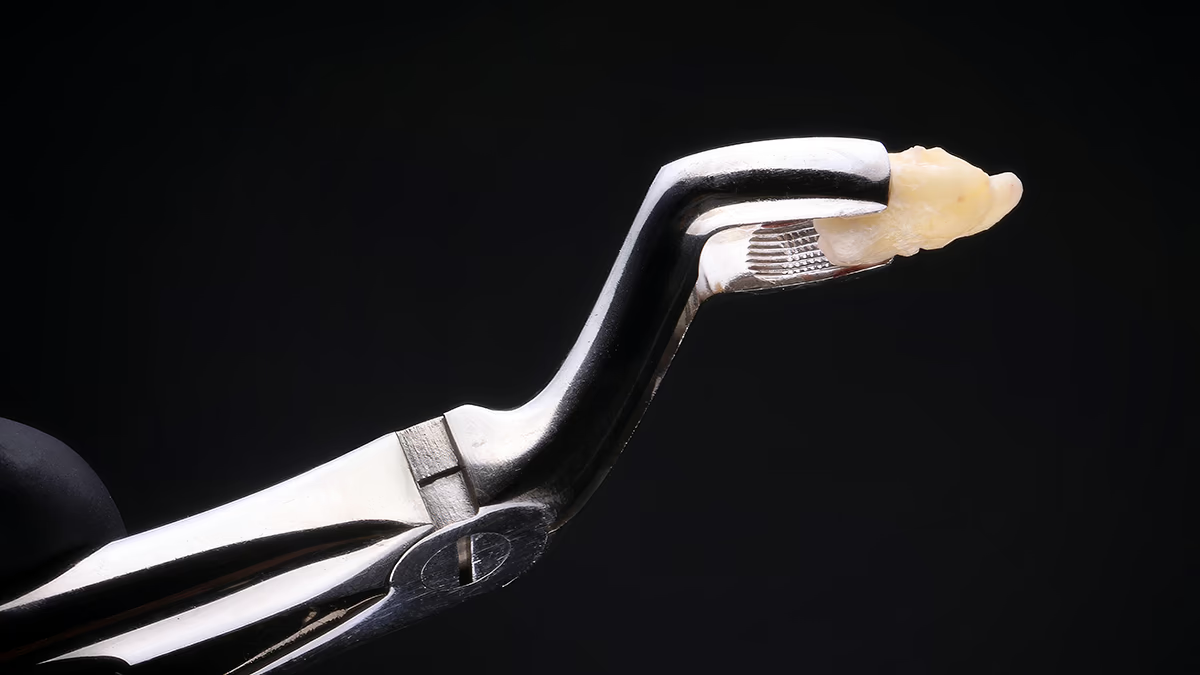
Surgical wisdom tooth extraction using atraumatic techniques
4

Postoperative instructions

After the procedure, the patient receives:
• monitoring of their condition;
• clear written and verbal instructions for the recovery period;
• adjustments to recommendations when needed throughout healing.

Post-operative instructions from dentist after wisdom tooth removal
5

Follow-up visit

A follow-up appointment usually takes place one week after extraction:
we check the healing of the surgical areaRemove the sutures if non-resorbable ones were used

A calm and predictable atmosphere makes the entire process as comfortable as possible.
Follow-up dental check-up after wisdom tooth extraction

Before & After Results

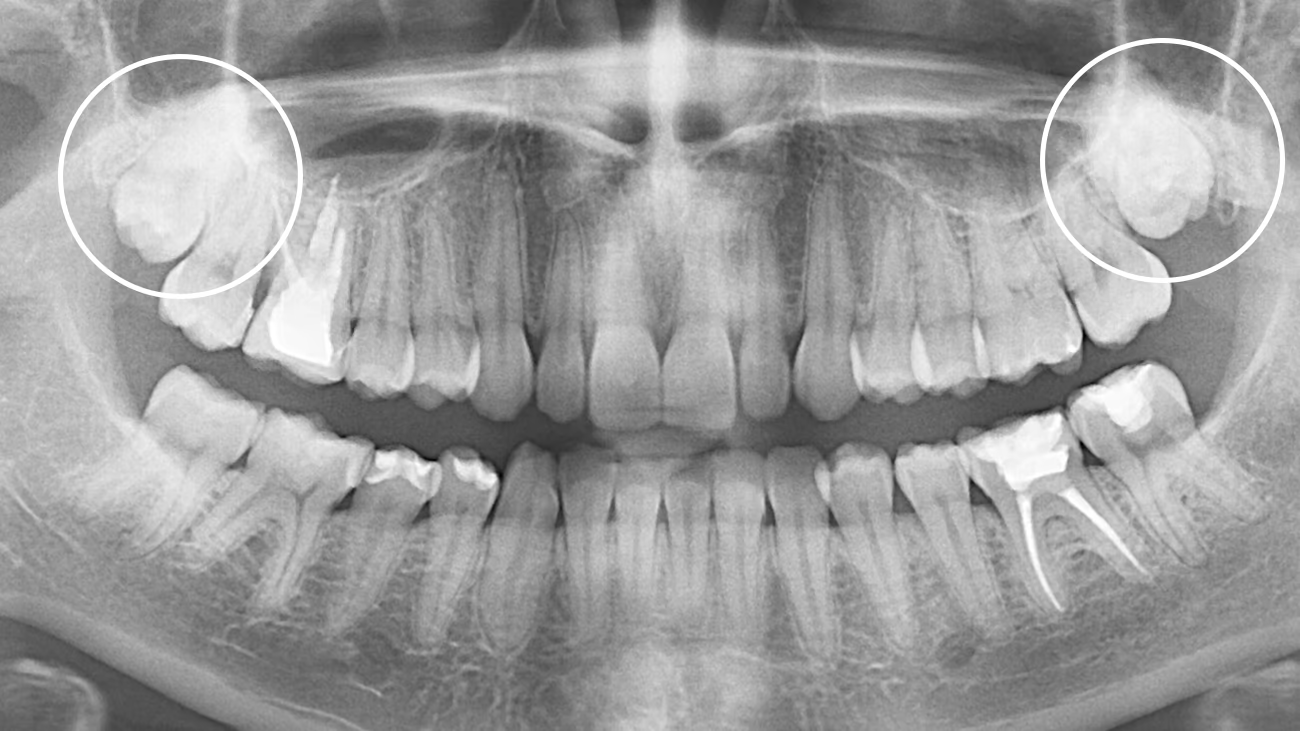
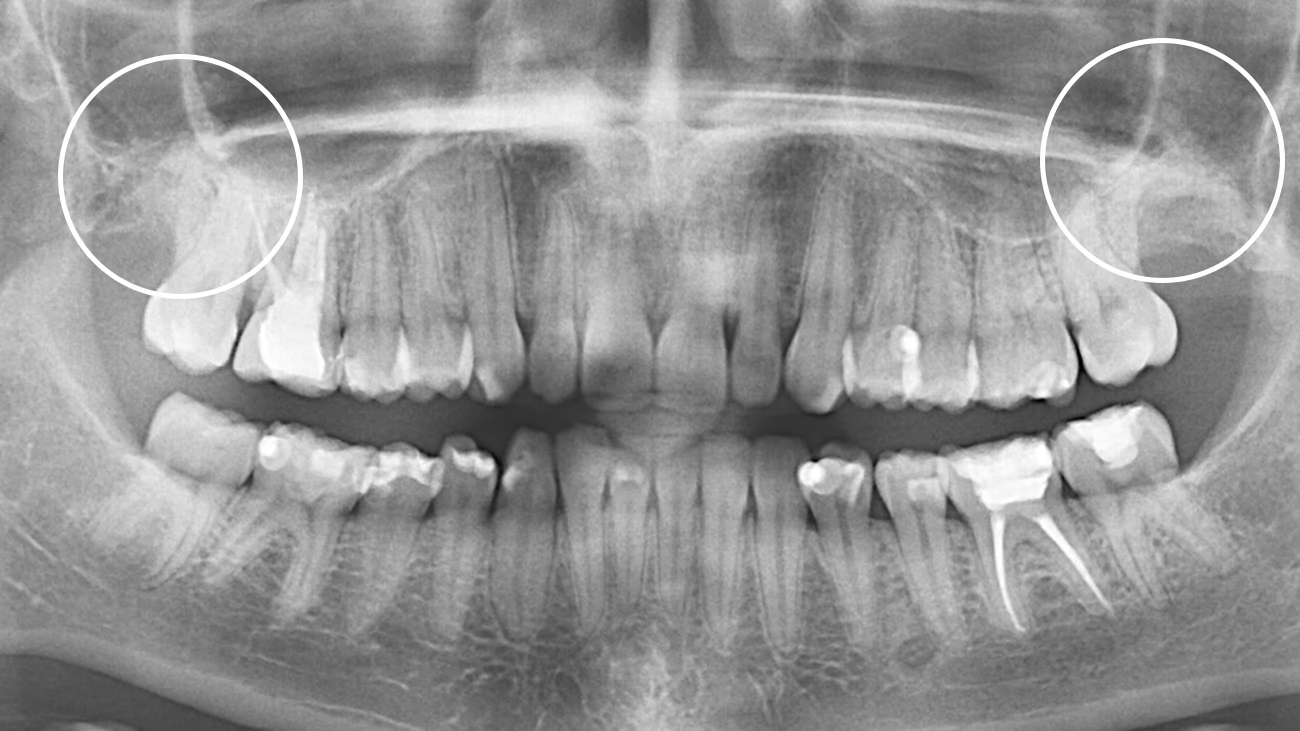
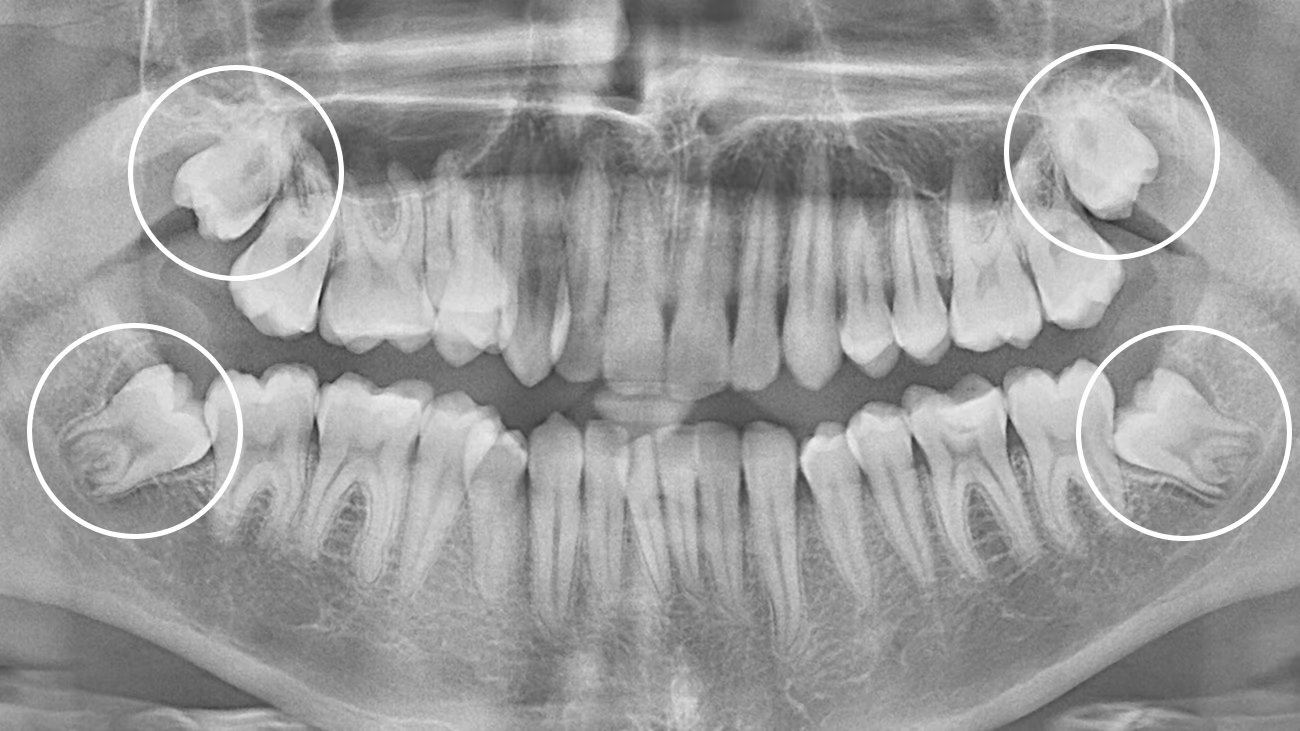
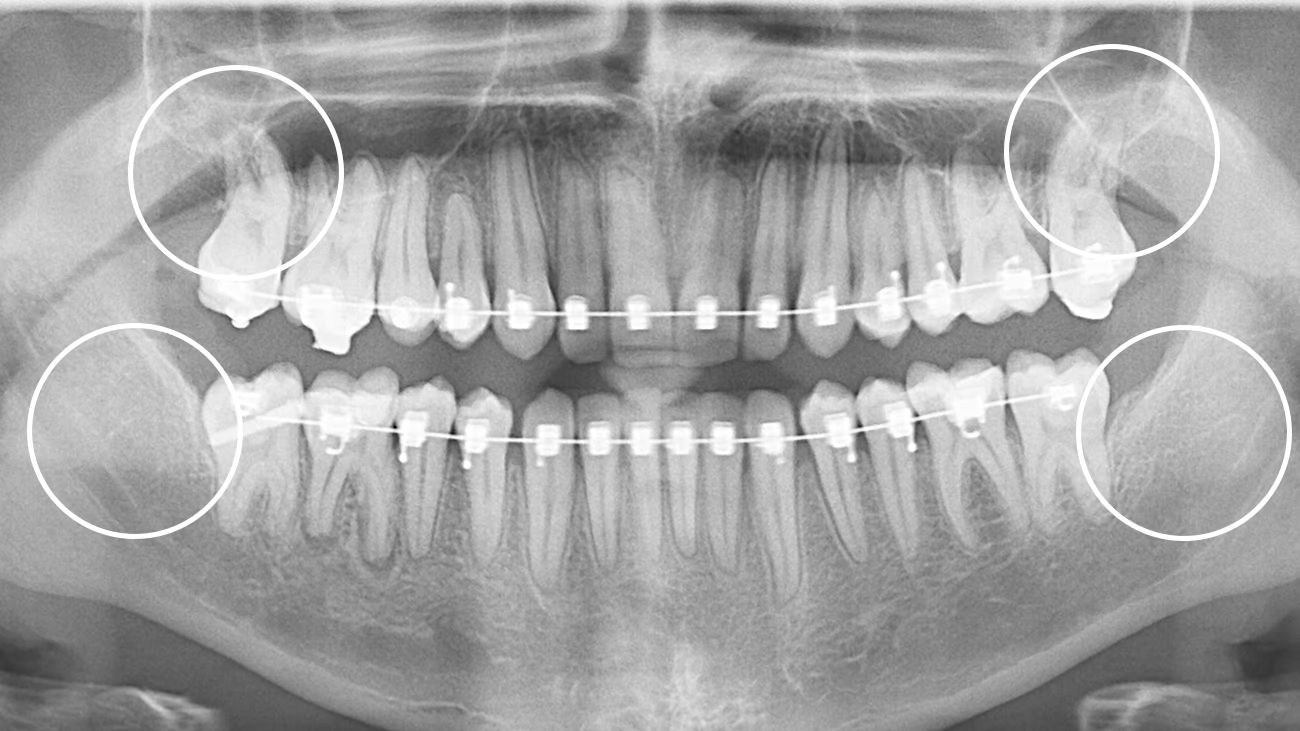
At Sergatiy Dental Clinic, we showcase real clinical cases of wisdom tooth removal.
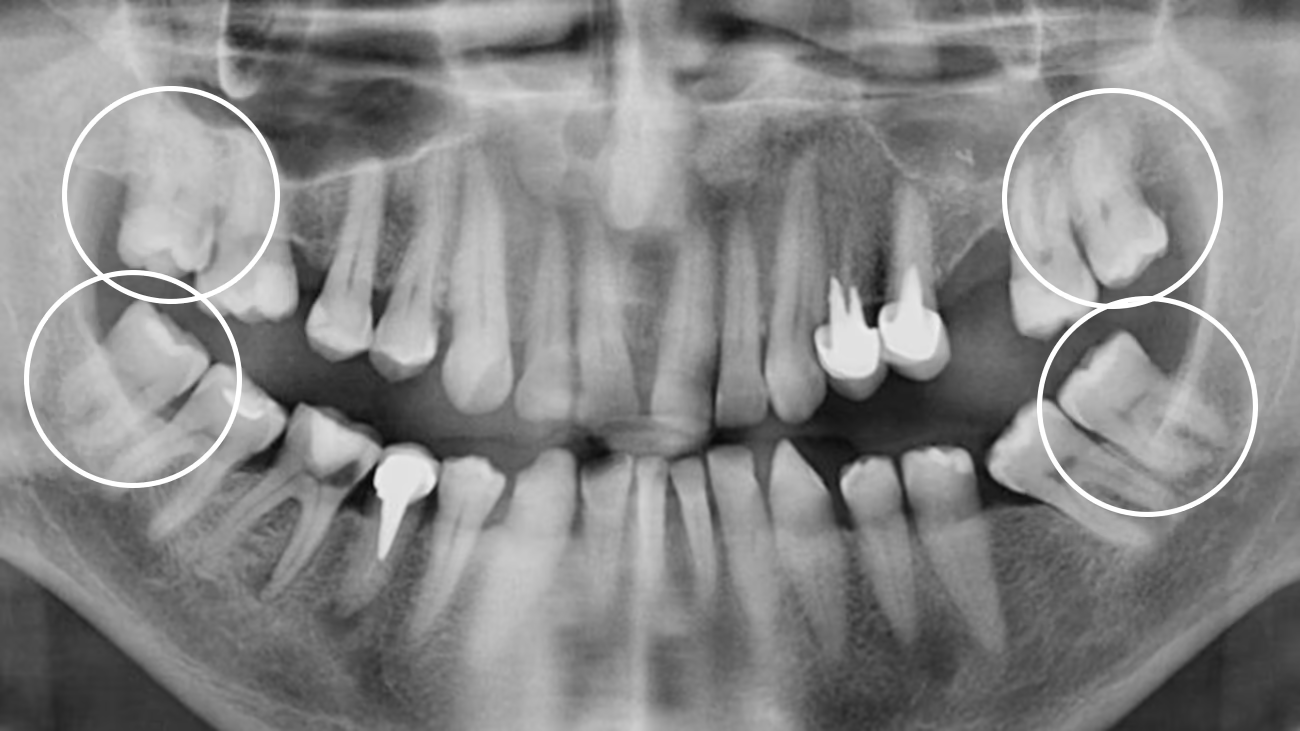
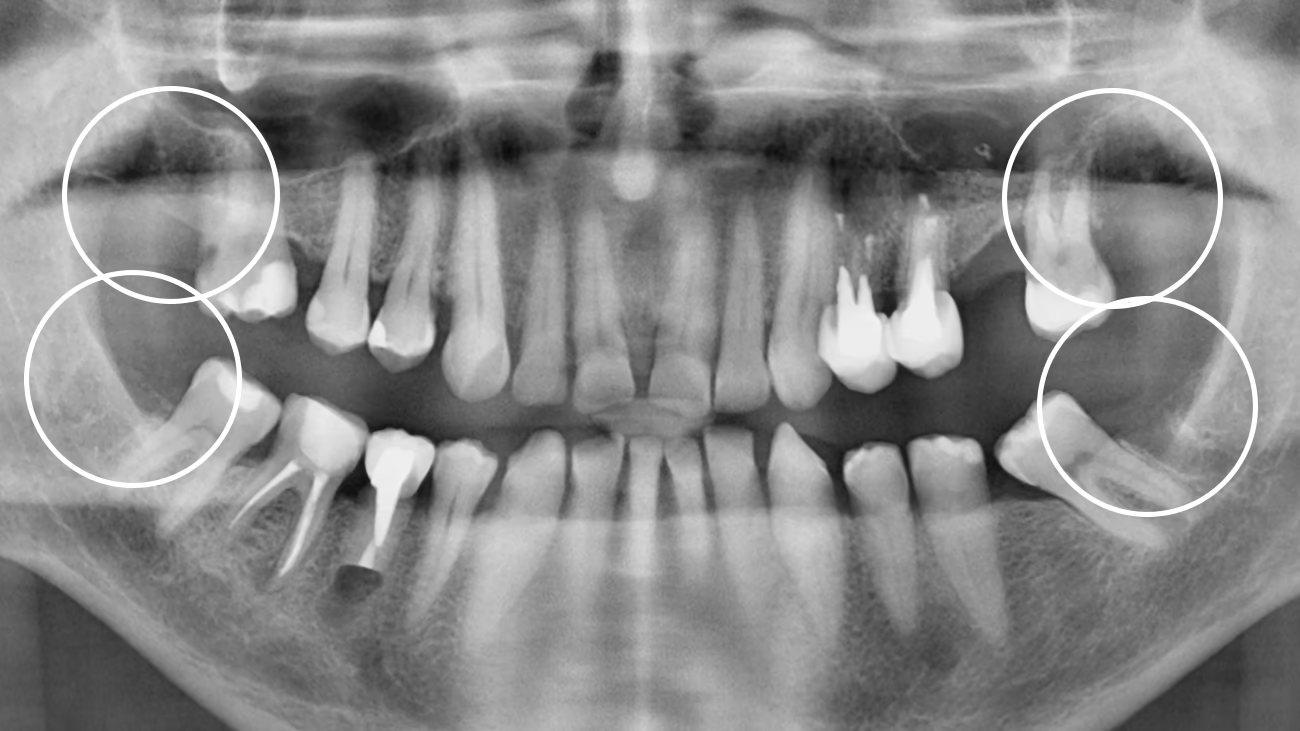
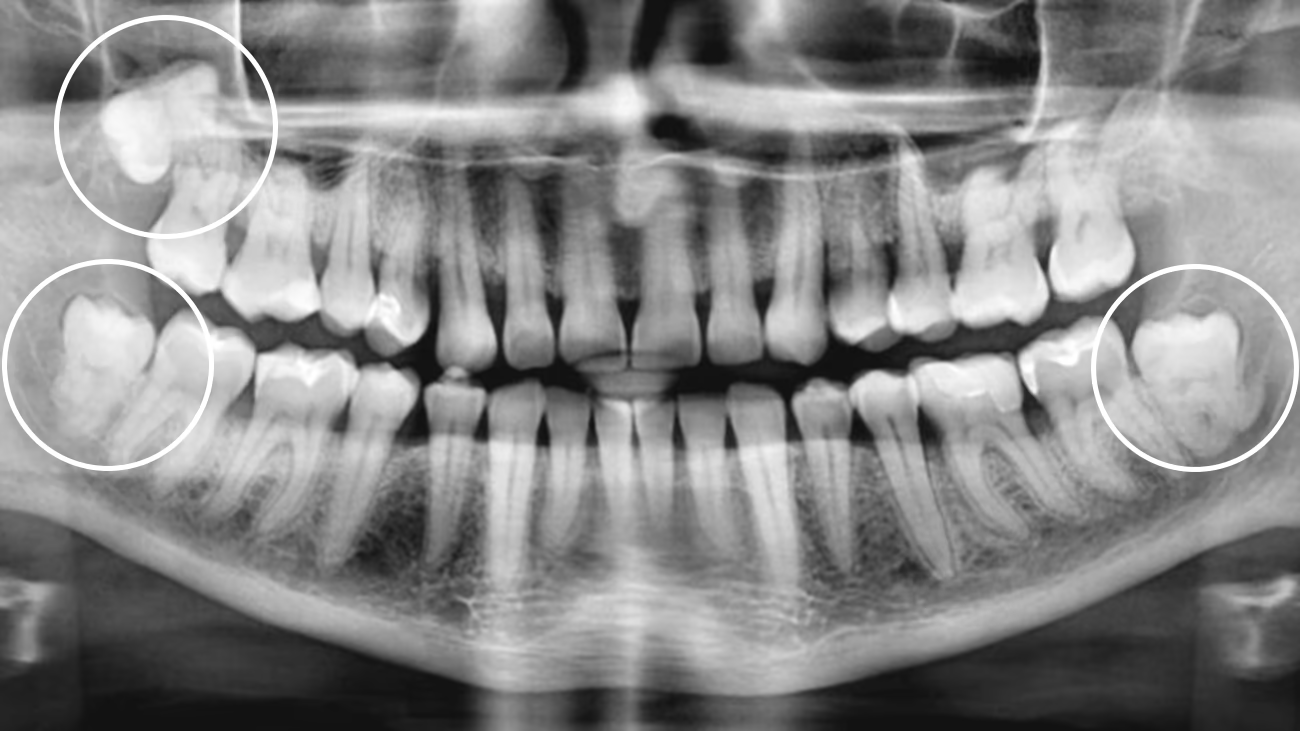
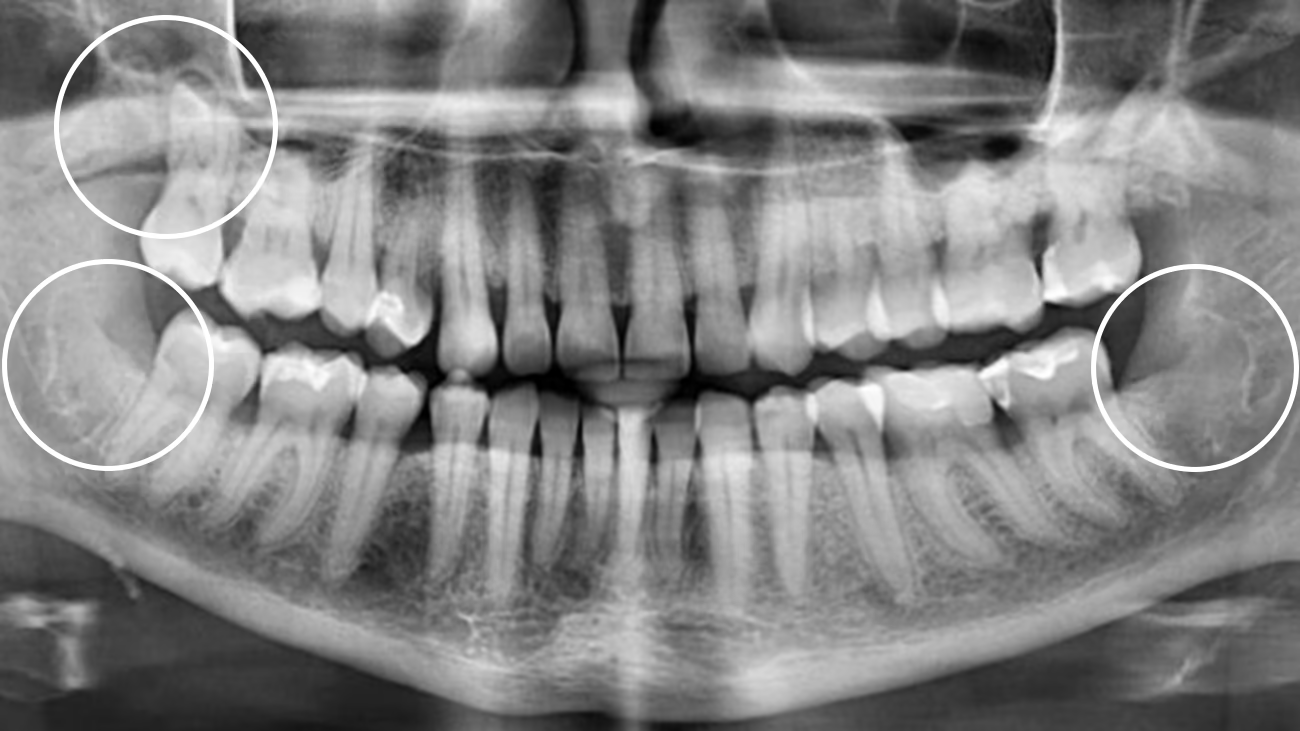
Panoramic X-ray before wisdom tooth extraction — complex impaction anatomyPanoramic X-ray after complex wisdom tooth extraction — healing control
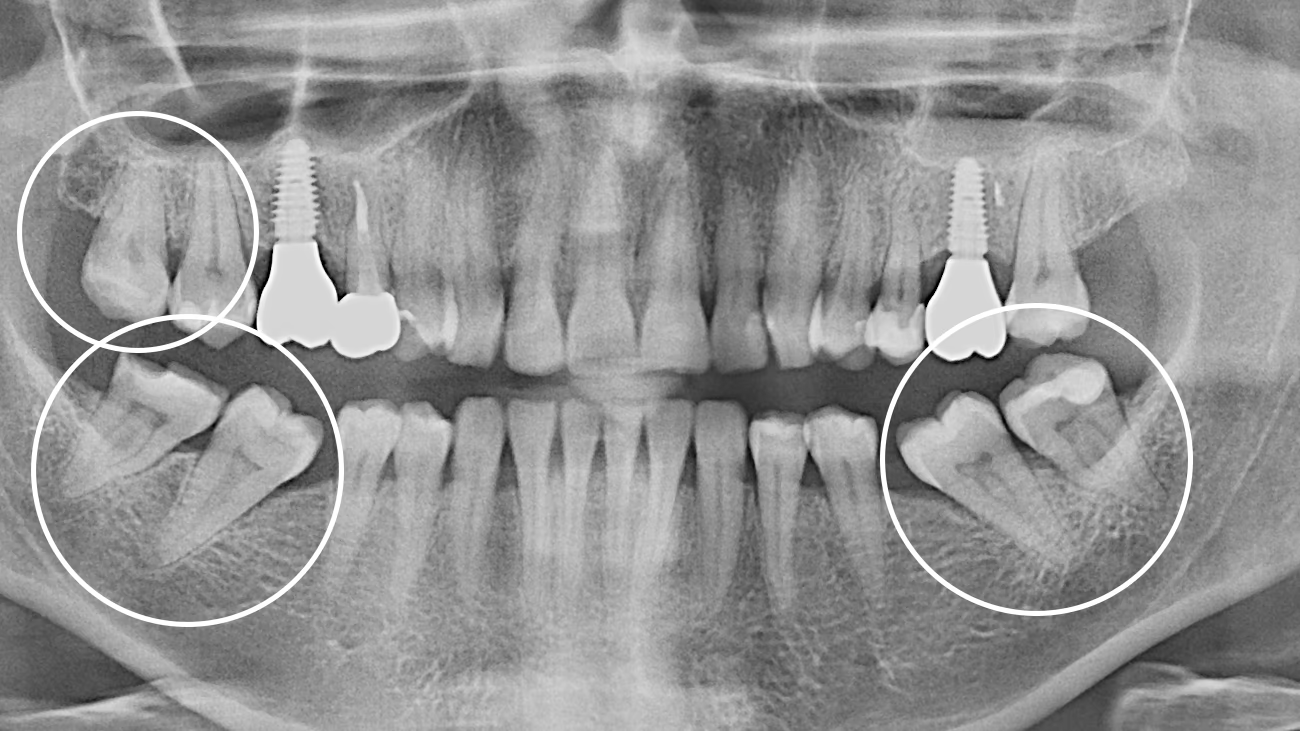
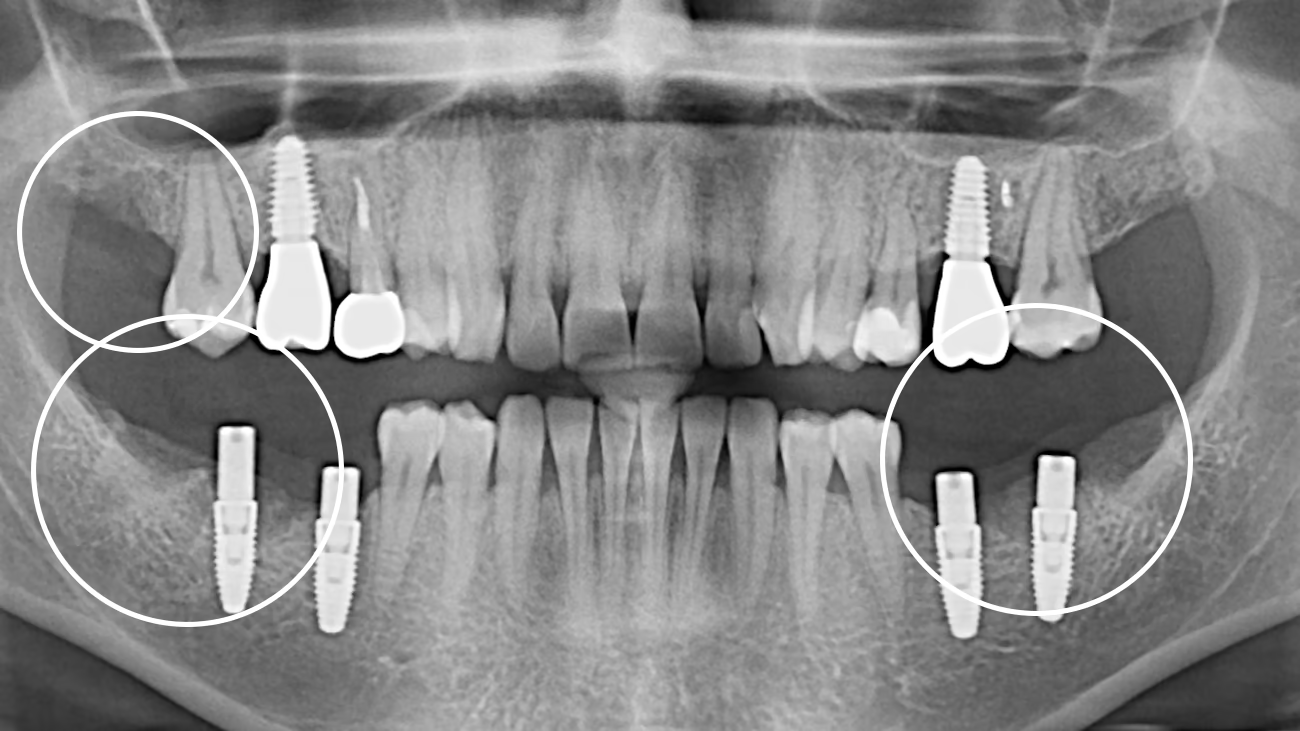
Panoramic X-ray before wisdom tooth extraction in a patient with orthodontic treatmentPanoramic X-ray after wisdom tooth removal during orthodontic treatment
Panoramic X-ray before wisdom tooth removal — impacted upper and lower third molarsPanoramic X-ray after wisdom tooth extraction — post-surgical outcome assessment
Panoramic dental X-ray images showing marked areas with dental implants, crowns, and the positioning of the wisdom teeth.Two panoramic jaw X-rays with circled regions highlighting implants and posterior teeth, including tilted or partially erupted wisdom teeth.

Prices for Wisdom Tooth Removal

Wisdom tooth extraction

Level 1 complexity (simple extraction)
150 €

Wisdom tooth extraction

Level 2 complexity (moderate difficulty)
200 €

Wisdom tooth extraction

Level 3 complexity (complex surgical extraction)
250 €
Book a consultaion
Fill out the form and our administrator will contact you to schedule a visit.
Name
Phone Number
Thank you! Your request has been received. We will contact you shortly.
Oops! Something went wrong. Please try again.

Frequently Asked Questions

Is wisdom tooth removal painful?

No. The procedure is performed under local anaesthesia, so you do not feel pain.
For patients with high anxiety or in complex clinical cases, we offer medication-induced sleep (sedation), during which you are completely relaxed and do not remember the procedure.
After surgery, mild discomfort for 1–3 days is possible and is well controlled with pain medication.

How long does wisdom tooth removal take?

The duration depends on the level of complexity, the location and the root anatomy.
Simple extractions usually take 30–45 minutesMore complex cases may last around an hour or longer

Is a CT scan (3D imaging) required before extraction?

Yes. CBCT/CT is mandatory for safe and predictable wisdom tooth removal.

3D imaging allows us to determine:
• tooth position;
• direction of eruption;
• root configuration;
• proximity to the inferior alveolar nerve or maxillary sinus.

At Sergatiy Dental Clinic, CBCT is an obligatory step before wisdom tooth extraction.
Without 3D diagnostics, the risk of complications significantly increases.

How long does swelling last after extraction?

Swelling after wisdom tooth removal is a normal reaction. Its severity depends on:
• the complexity level of the extraction;
• the extent of additional procedures (tissue dissection, bone work, suturing);
• individual characteristics of the body.

In most patients, swelling is absent or minimal and lasts 1–2 days.
In more complex cases, it can persist for 1–3 days and then gradually subsides.

To reduce swelling, we recommend:
• applying cold compresses in the first hours after surgery;
• avoiding hot food and drinks;
• avoiding physical exertion.

If swelling continues to increase, is accompanied by severe pain or fever, you should contact the clinic.

What and when can I eat after extraction?

During the first 24 hours we recommend only liquid or puréed foods at room temperature:
• broths;
• fruit and vegetable purées without hard particles;
• plain yoghurt without additives.

These dietary restrictions help:
• avoid irritating the wound
• prevent small food particles from entering the socket
• reduce the need for intensive chewing, which may provoke bleeding, suture dehiscence and increased swelling.

It is recommended to avoid hard, spicy and acidic foods.

Return to your normal diet should be gradual, guided by your sensations and your doctor’s recommendations.
In most cases, full chewing function is comfortably restored within 5–7 days, provided there is no pain or swelling.

When are sutures removed?

It depends on the type of sutures used:
• resorbable sutures – do not require removal.
• conventional (non-resorbable) sutures – are usually removed 5–7 days after surgery.

At Sergatiy Dental Clinic, the doctor selects the optimal option for each clinical situation.

Can all four wisdom teeth be removed at once?

Yes.
Many patients choose to have all four third molars removed under sedation in a single visit to avoid multiple operations and repeated recovery periods.
This approach is safe and comfortable, provided proper planning and monitoring.

When can I return to sports after extraction?

Light physical activity is usually allowed after 2–3 days.
Intense exercise, running, weight training or gym workouts should be postponed for 5–7 days to avoid bleeding and swelling.
After complex extractions, the recovery period may last up to 7–10 days.
The main rule is to listen to your body and follow your dentist’s instructions.

Can wisdom teeth be removed during pregnancy?

Wisdom tooth removal during pregnancy is possible, but performed only when truly necessary — in cases of acute pain, swelling or a high risk of complications.
The safest period for dental treatment is the second trimester.
In the first trimester, elective procedures are undesirable
In the third trimester, treatment may be uncomfortable and associated with increased uterine tone
Modern anaesthetics that are approved for pregnant patients do not harm the fetus.
Planned, non-urgent extractions are best postponed until after childbirth.

Do I need to remove a wisdom tooth if it doesn’t hurt?

In many cases, removal is recommended even in the absence of pain. Risks can develop without noticeable symptoms:
• the tooth erupts at an angle or remains partially covered by gum;
• it pushes on the adjacent tooth and may shift the bite
• food accumulates around the tooth, leading to gum inflammation and caries

When can I start brushing my teeth after extraction?

You can start brushing your teeth the day after surgery.
Do this very gently, avoiding the extraction site so as not to traumatize the socket.
Use a soft toothbrush — if necessary, a special postoperative brush can be recommended.

Do I need to rinse my mouth after extraction, and when can I start?

Intensive rinsing is strictly contraindicated in the first day, as it can disrupt clot formation and dislodge the blood clot from the socket.
From the second day, your doctor may recommend gentle mouth baths with antiseptic solutions — without vigorous swishing or forceful spitting.

What should I do if the extraction area hurts a lot?

Take the pain medication prescribed by your doctor or included in your postoperative regimen.
If it does not help, it may be replaced with another recommended option.
If the pain does not subside or intensifies, you must contact the clinic for an examination.

Why do patients choose Sergatiy Dental Clinic?

Because our clinic offers:
• painless removal of any complexity;
• medication-induced sleep (sedation) when indicated;
• experienced surgeons;
• strict sterile conditions;
• Minimally invasive techniques and rapid healing with A-PRF;
• Detailed instructions and constant communication with the doctor;
• Individualised postoperative follow-up.

Sergatiy Dental Clinic combines clinical expertise, comfort and impeccable service.