Book a consultaion
Fill out the form and our administrator will contact you to schedule a visit.
Thank you! Your request has been received. We will contact you shortly.
Oops! Something went wrong. Please try again.

Dental implantation is a modern and reliable method of restoring missing teeth that closely mimics natural anatomy. Many patients wonder: how exactly does the dental implant procedure work and what stages does the process include. In this article, we will break down everything step by step in clear terms, without complex medical terminology.
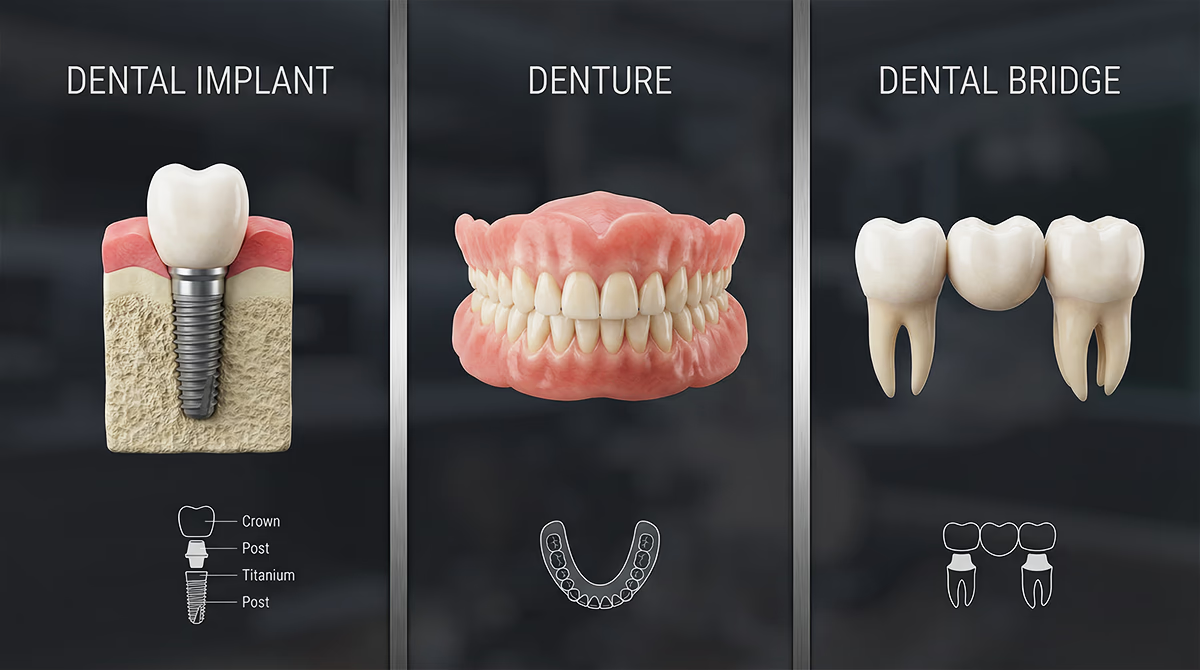
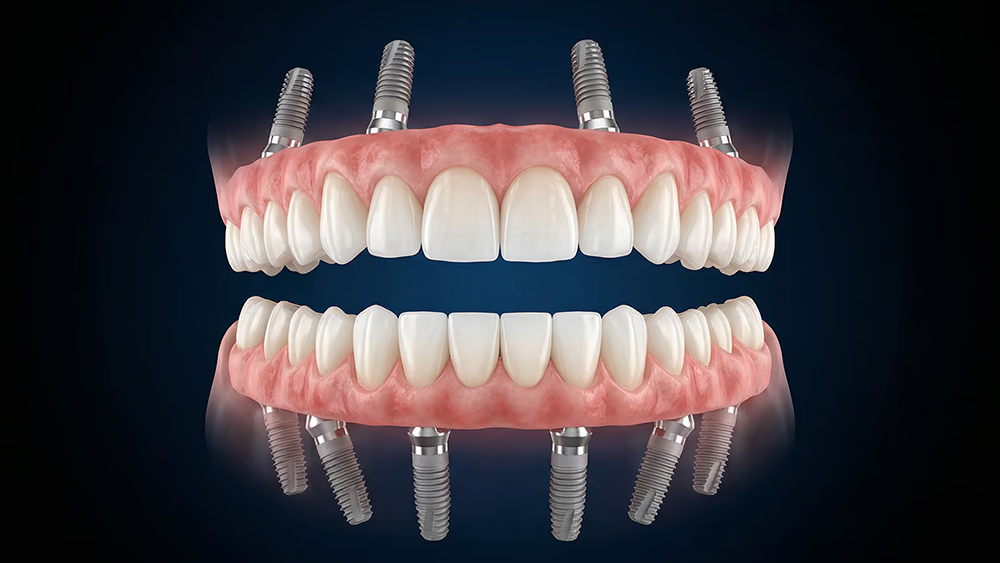
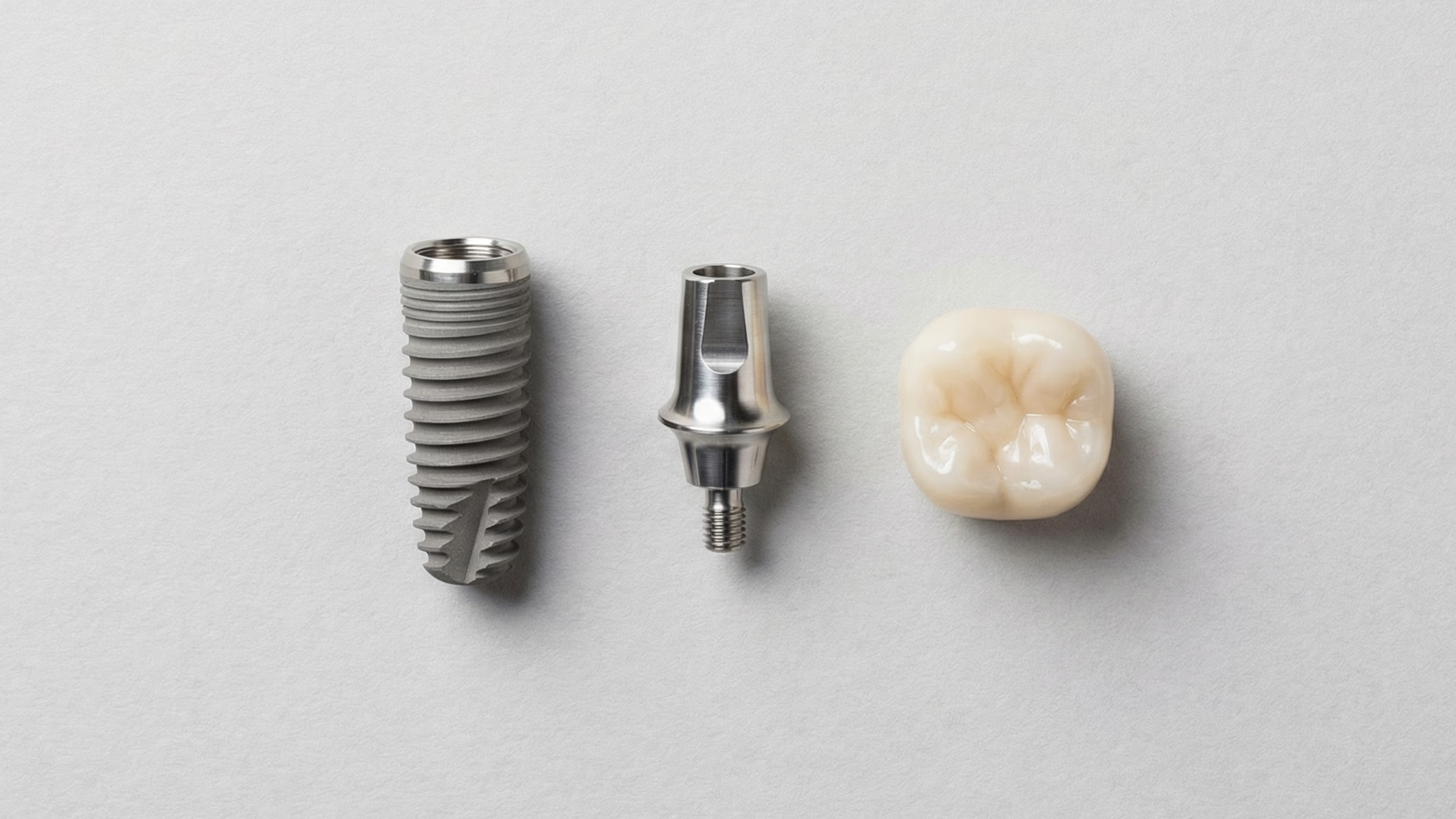
Dental implantation is the placement of an artificial tooth root (implant) into the jawbone, onto which a crown is later attached. Unlike dental bridges, an implant does not affect adjacent teeth and can last for decades.
1. Consultation and diagnosis
The first and one of the most important stages. The dentist examines the oral cavity, analyzes the bite, orders a CT scan (3D imaging of the jaw), and evaluates the volume and quality of bone tissue. At this stage, an individual treatment plan is developed.
2. Pre-implant preparation
If necessary, procedures include treatment of cavities, extraction of teeth that cannot be restored, professional dental cleaning, and treatment of gingival inflammation. Implantation is performed only in a healthy oral cavity.
3. Implant placement (surgical stage)
The procedure is performed under local anesthesia without pain and takes an average of 20–40 minutes per implant. The dentist creates access to the bone, places the implant, and closes the surgical site with sutures. The patient returns to normal activities the same day.
4. Healing and osseointegration period
This is the stage when the implant fuses with the bone. Duration for the lower jaw is 2–4 months, for the upper jaw — 4–6 months. During this period, the implant becomes part of the bone structure and forms a reliable foundation for the future tooth.
5. Placement of healing abutment
A minor but important procedure during which the natural gingival contour is formed in preparation for crown placement. Takes several minutes and is virtually painless.
6. Prosthetic restoration (crown placement)
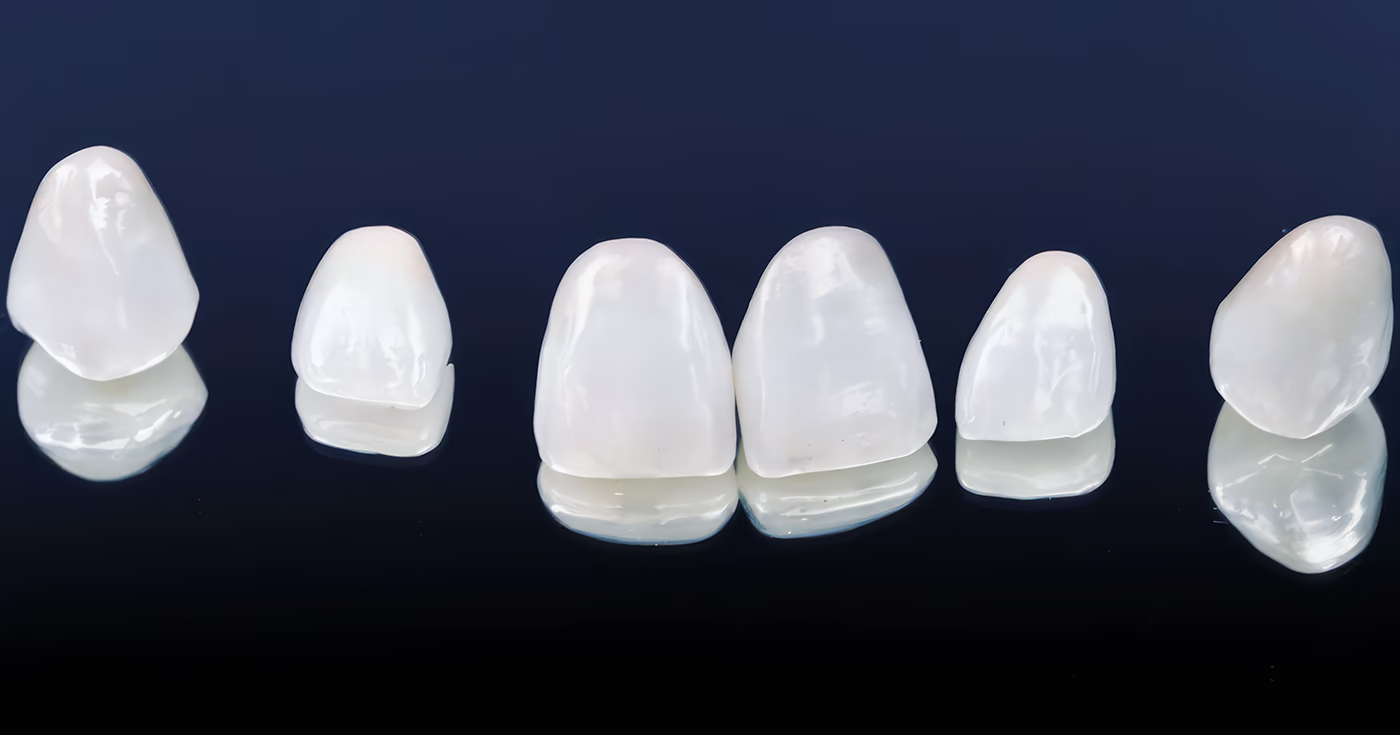
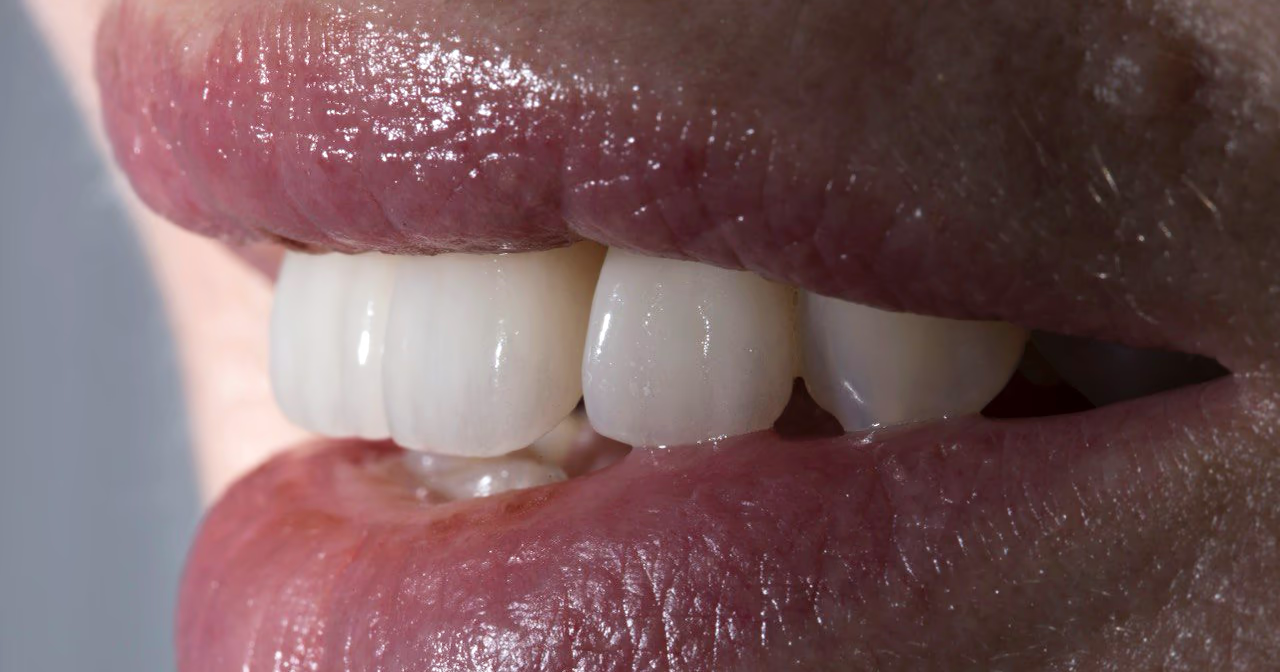
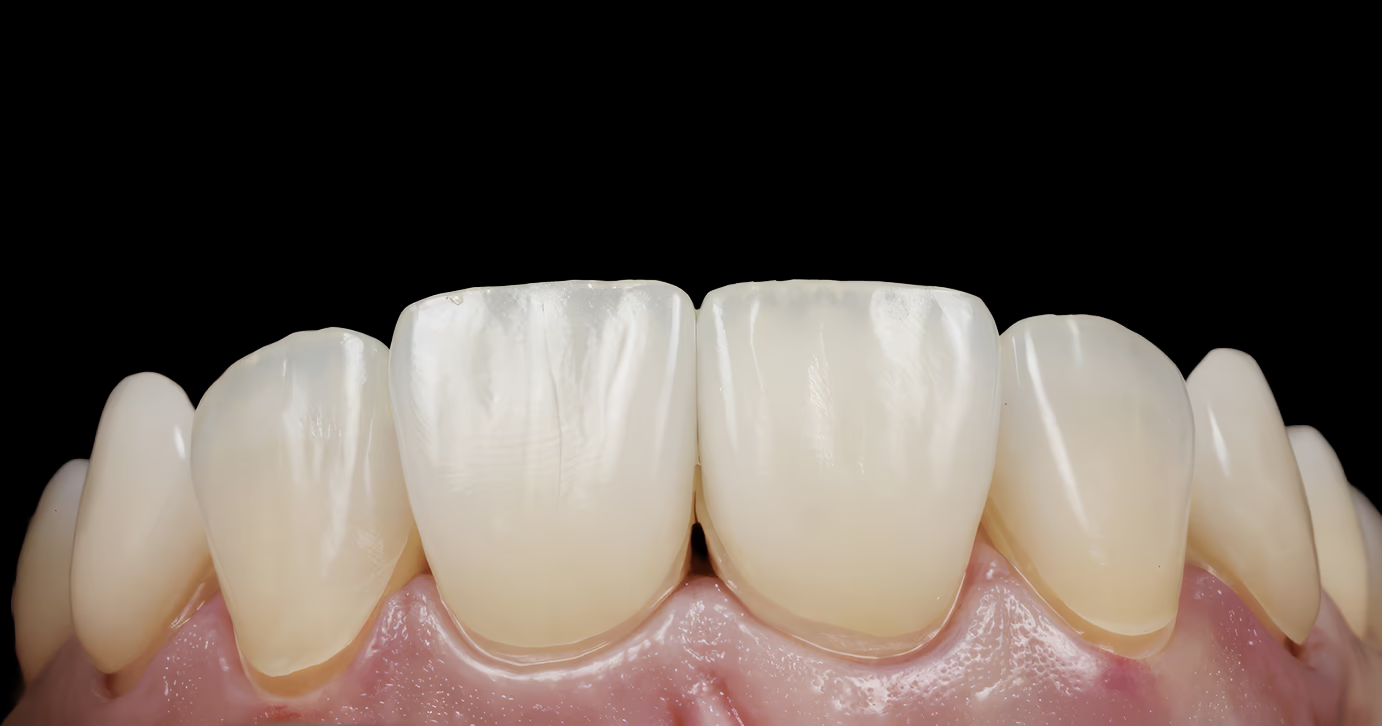
The final stage of dental implantation. An abutment and permanent crown (ceramic or zirconia) are attached to the implant. The tooth looks natural, is indistinguishable from natural teeth, and fully performs its masticatory function.
No. Thanks to modern anesthesia, dental implantation is performed without pain. After the procedure, mild discomfort or swelling may occur, which disappears within a few days.
Diagnosis — 1 day
Implant placement — 1 day
Osseointegration — 2–6 months
Prosthetic restoration — 1–2 weeks
In some cases, immediate loading or "teeth in a day" protocols may be possible.
Dental implantation provides reliability and longevity, natural aesthetics, and full masticatory function. It protects bone from resorption and, unlike bridges, does not require preparation of adjacent teeth.
Dental implantation is a clear, logical, and safe process that takes place in several stages: from diagnosis to crown placement. Understanding each step helps patients feel calmer and more confident.
The key factors are proper preparation, dentist expertise, and quality materials.