Book a consultaion
Fill out the form and our administrator will contact you to schedule a visit.
Thank you! Your request has been received. We will contact you shortly.
Oops! Something went wrong. Please try again.

When one or more teeth are lost, patients face a logical question: implants or bridges – which is better and which will last longer?
Both methods are widely used in dentistry, but there are fundamental differences between them that affect lifespan, comfort, and long-term oral health.
Let's break it down honestly and thoroughly.
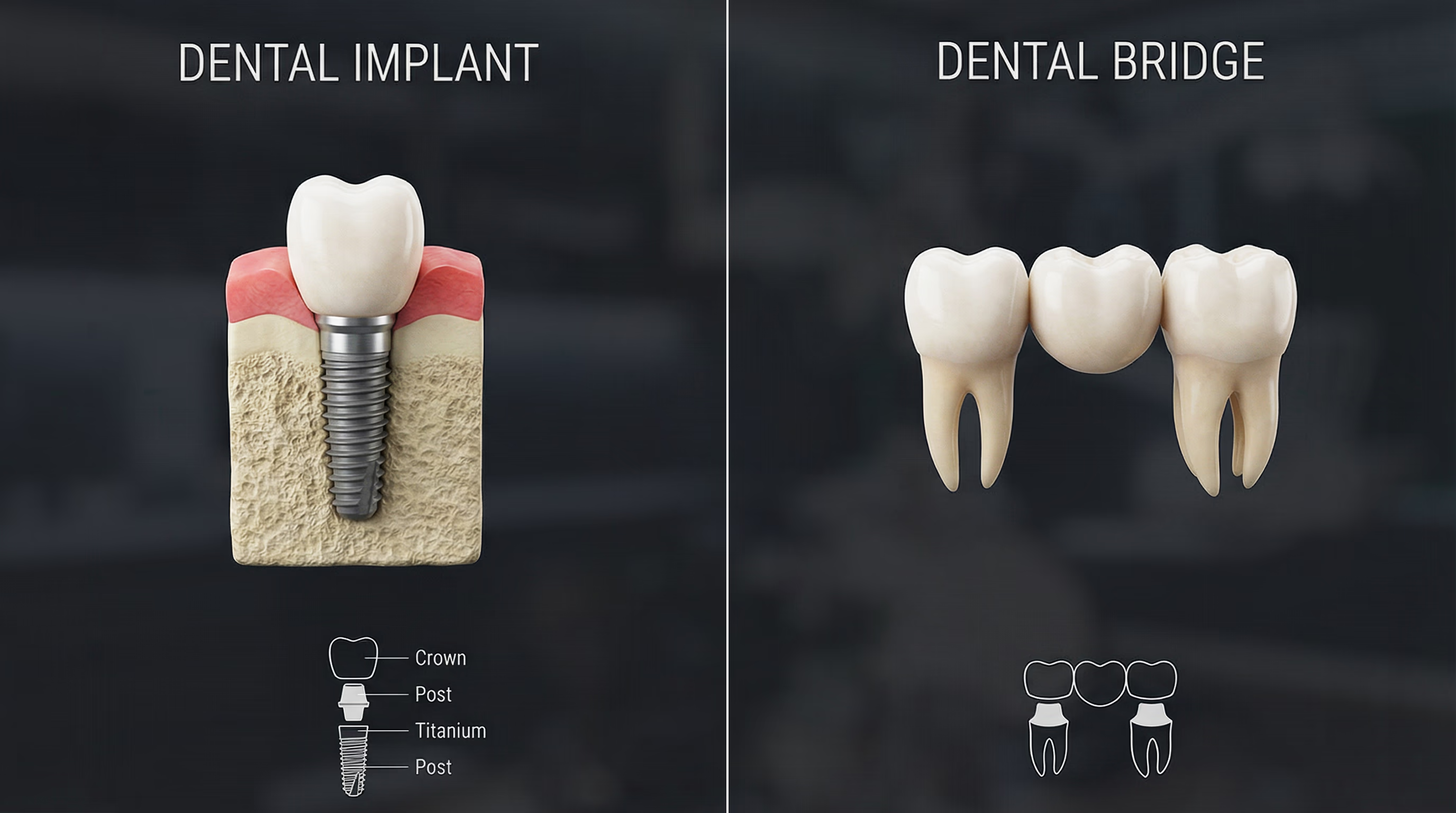
Dental Implants
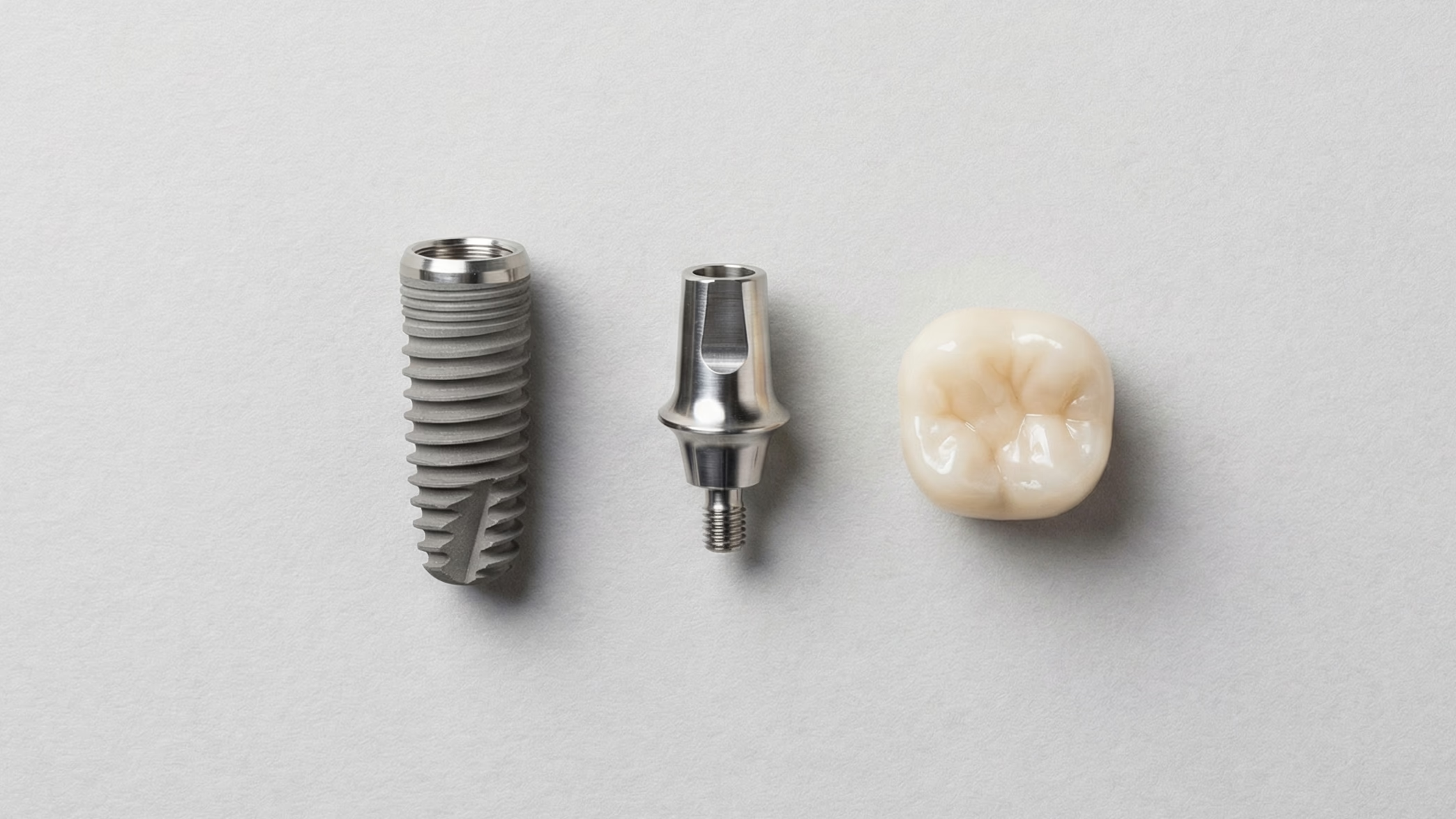
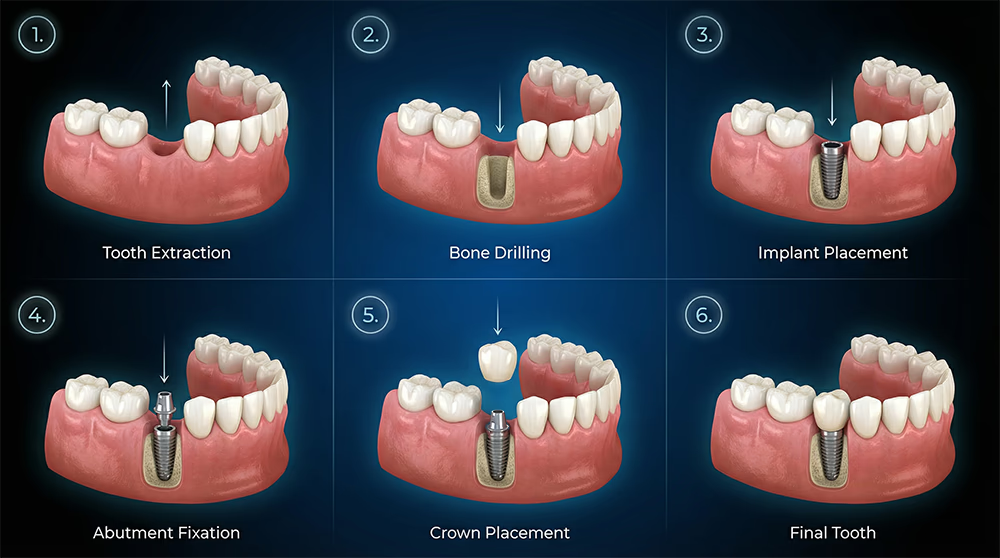
An implant is an artificial root that is placed into the jawbone. A crown is attached to it, completely replacing the missing tooth – both functionally and aesthetically.
Dental Bridges
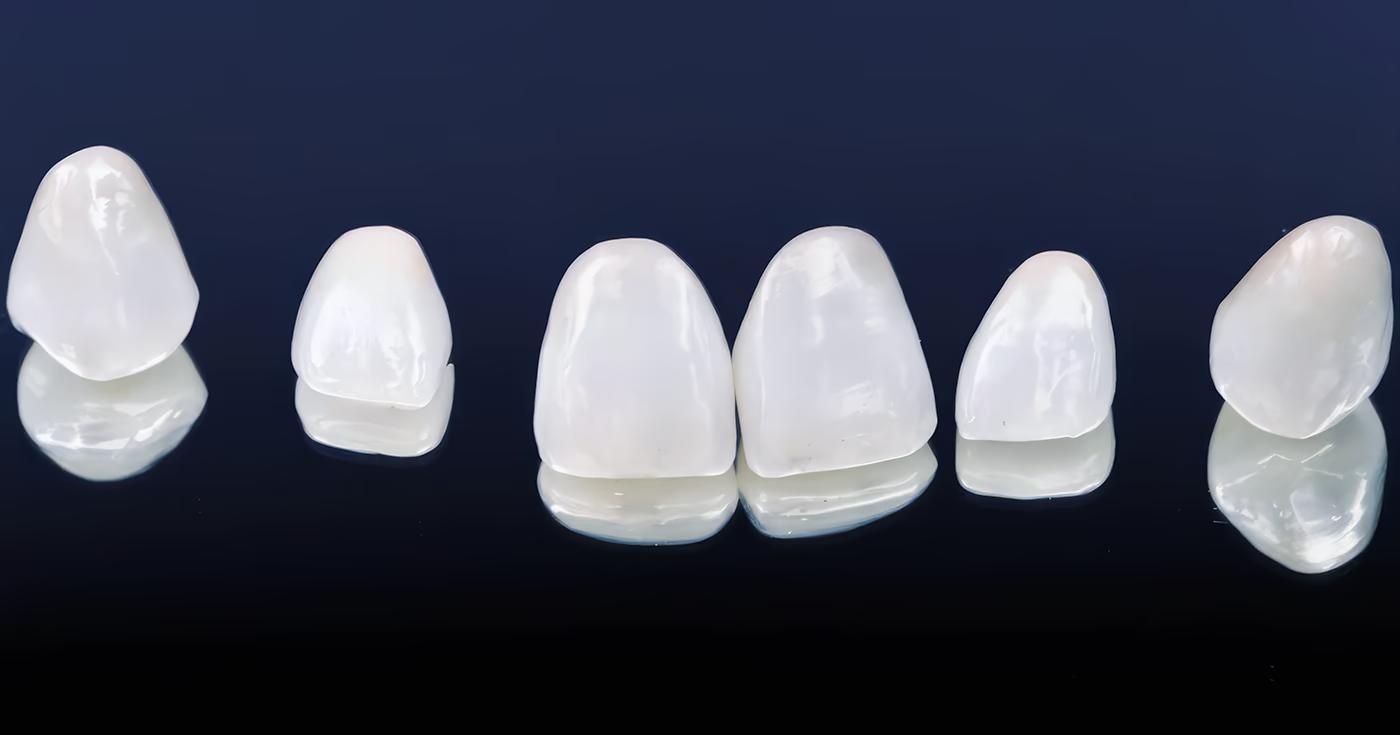
A bridge is a structure of several crowns that is fixed to adjacent teeth, which are prepared (ground down) beforehand. The bridge "spans" the missing tooth but doesn't replace its root.
Don't Burden Adjacent Teeth
An implant is a standalone structure. It doesn't depend on the condition of other teeth and doesn't overload them.
Prevent Bone Resorption
After tooth loss, the bone begins to deteriorate.An implant stimulates the bone like a natural root.
Easier to Maintain
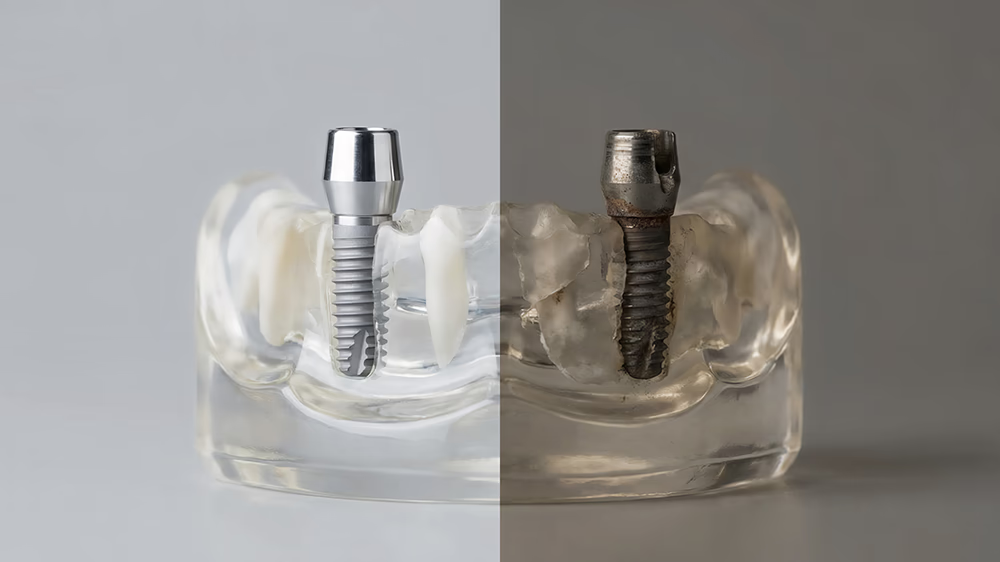
Implants are cleaned like regular teeth, without complex areas under the bridge.
Bridges are sometimes appropriate if:
But it's important to understand: this is a compromise, not a long-term investment.
At first glance, bridges are cheaper. But if you calculate for 15–20 years:
Ultimately, implants often prove more cost-effective.
Implants or bridges – which is more reliable?
Implants. They don't depend on other teeth and last longer.
Can you place a bridge after an implant?
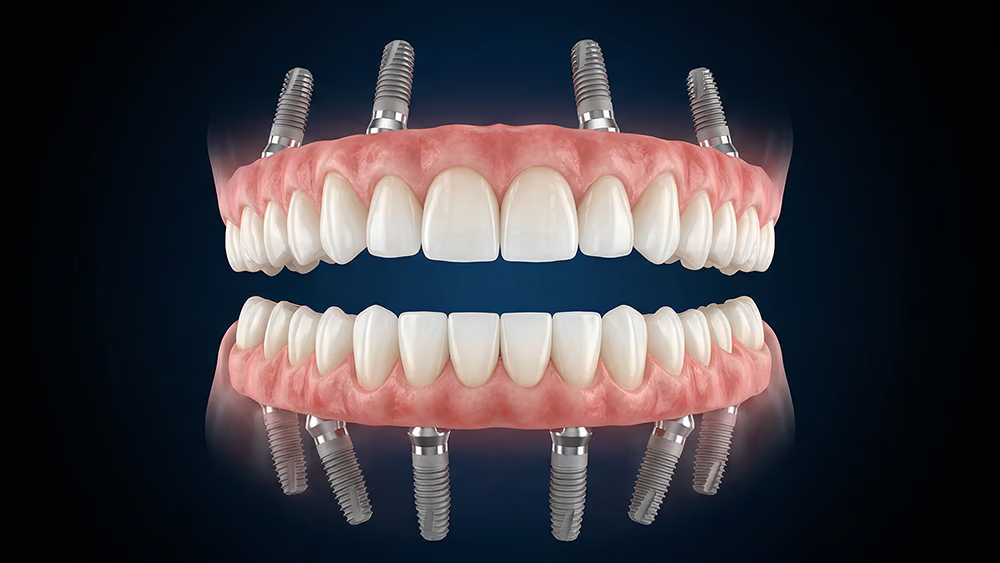
Yes, in some cases a bridge is fixed on implants.
Is it painful to place an implant?
No. The procedure is performed under anesthesia and is well tolerated.
When comparing implants or bridges in terms of longevity, implantation is the clear winner.
It preserves bone, doesn't harm adjacent teeth, and provides a stable result for decades.
The final choice always depends on the clinical situation, but if possible – an implant is almost always the better option.