Why Implants May Fail to Integrate:
Top Reasons

Dental implantation is considered one of the most reliable procedures in dentistry – with a success rate exceeding 95–97%. But patients are rightfully concerned: why do implants fail to integrate and what does it depend on?Below is an honest and clear breakdown of the main causes, without scare tactics or myths.
What Does "Implant Failed to Integrate" Mean

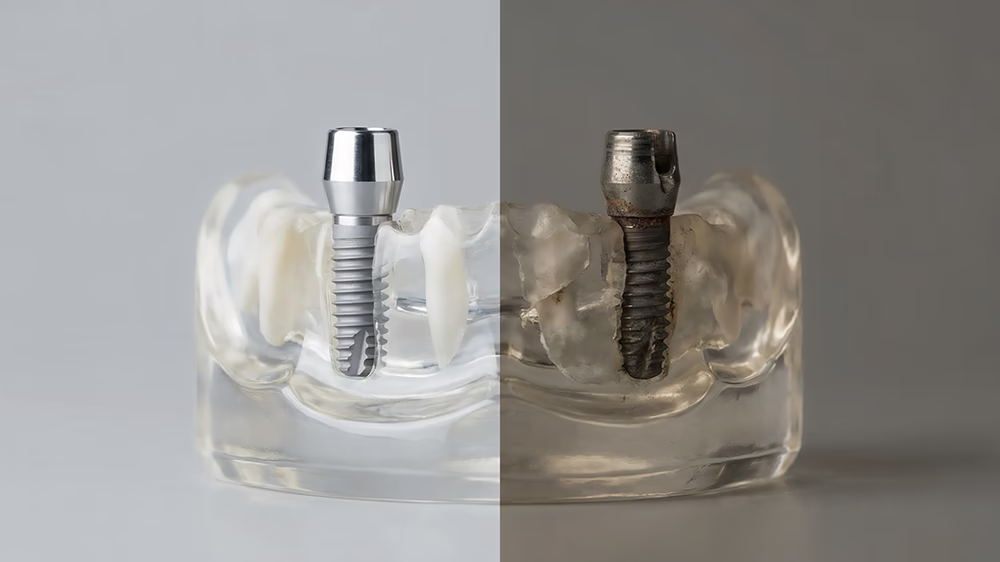
Dental implant placed in the plastic jawbone showing a comparison between healthy integration and implant complications

An implant fails to integrate when osseointegration – the fusion of the implant with bone tissue – doesn't occur. In such cases, it becomes mobile or causes inflammation and requires removal.

Important: in most cases, the problem can be prevented or resolved.

Top Reasons Why Implants Fail to Integrate

Implants have a high success rate (95–98%), but rejection can sometimes occur. Here are the main causes and how to prevent them:

Cause Why It Happens How to Prevent
Infection and inflammation (peri-implantitis) • Poor oral hygiene
• Residual infection after extraction
• Non-compliance with post-op instructions
Inflammation gradually destroys bone around implant
Thorough hygiene, regular check-ups, pre-implant sanitation
Smoking Nicotine:
• Impairs blood supply
• Slows healing
• Increases infection risk
First 7–14 days are most critical
Complete smoking cessation 2–4 weeks before and after surgery
Insufficient bone volume Bone is too:
• Thin
• Low density
Implant lacks stable support
Mandatory CT scan before surgery, bone grafting when necessary
Placement errors • Incorrect angle
• Wrong size
• Protocol violations
Human factor
Choose experienced implantologist, modern equipment, 3D planning
Excessive loading • Early chewing on implant side
• Bruxism (teeth grinding)
• Malocclusion
Implant needs time to integrate
Follow soft diet, night guard for bruxism, bite correction
Chronic diseases • Uncontrolled diabetes
• Hormonal disorders
• Immune diseases
Reduce tissue regeneration capacity
Stabilize condition before surgery, consult specialist physician
Post-op instruction violations • Rinsing in first days
• Alcohol
• Hot food
• Physical exertion
Disrupt healing process
Strictly follow all doctor's instructions for 2–4 weeks

Important: Most rejection causes are controllable. Proper preparation, an experienced doctor, and following recommendations ensure 95–98% success rate.

How to Reduce Implant Failure Risk

  • Complete diagnostics (CT scan)
  • Treatment of gums and teeth before implantation
  • Smoking cessation at least during healing period
  • Strict adherence to doctor's recommendations
  • Regular follow-up examinations

If the Implant Failed – What's Next?

It's not a catastrophe.

Usually:

  • the implant is carefully removed
  • bone is allowed to heal
  • repeat implantation is performed in 2–4 months

In most cases, the second implant integrates successfully.

Conclusion

In short, implants fail to integrate most often due to:

  • infection
  • smoking
  • bone tissue problems
  • protocol or recommendation violations

The good news – the vast majority of causes are controllable. Proper preparation, doctor's experience, and patient responsibility minimize risks.
Other Articles

Clinical photo of front teeth with ceramic restorations under insulation
Veneers or crowns: what to choose?
Veneers vs crowns: main differences, clinical indications, and expert tips on choosing the best option for your smile.
Ceramic veneers of various shapes placed on a dark background
How much do veneers cost in 2026
Veneer prices in Kyiv in 2026: what determines the cost, available veneer types, materials used, and what is included in the final price.
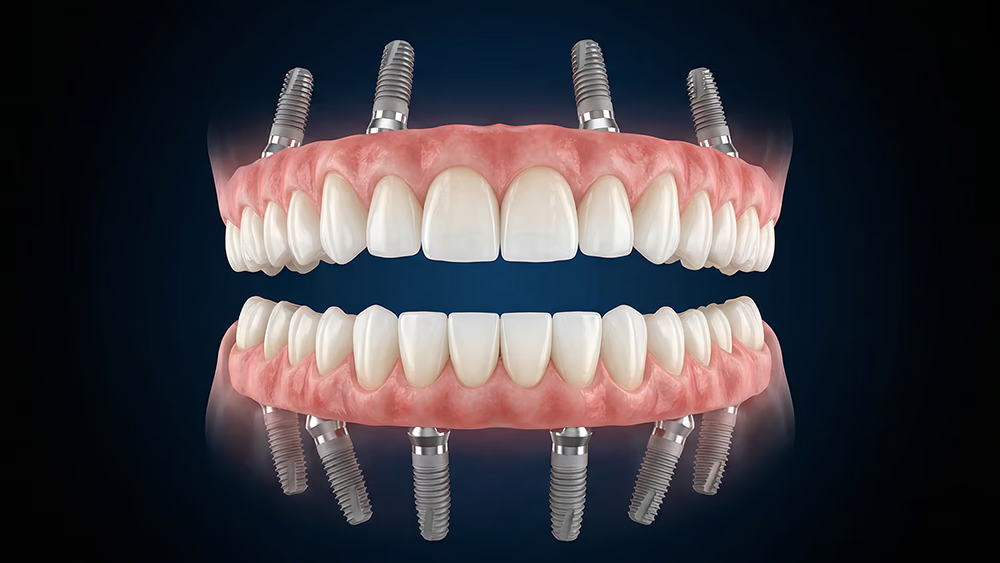
Система All-on-X — повне відновлення зубів на кількох імплантах у верхній та нижній щелепі
Teeth in 1 Day: Who's It For
All-on-4, All-on-6, All-on-8 – how it works, contraindications, and choosing your option.
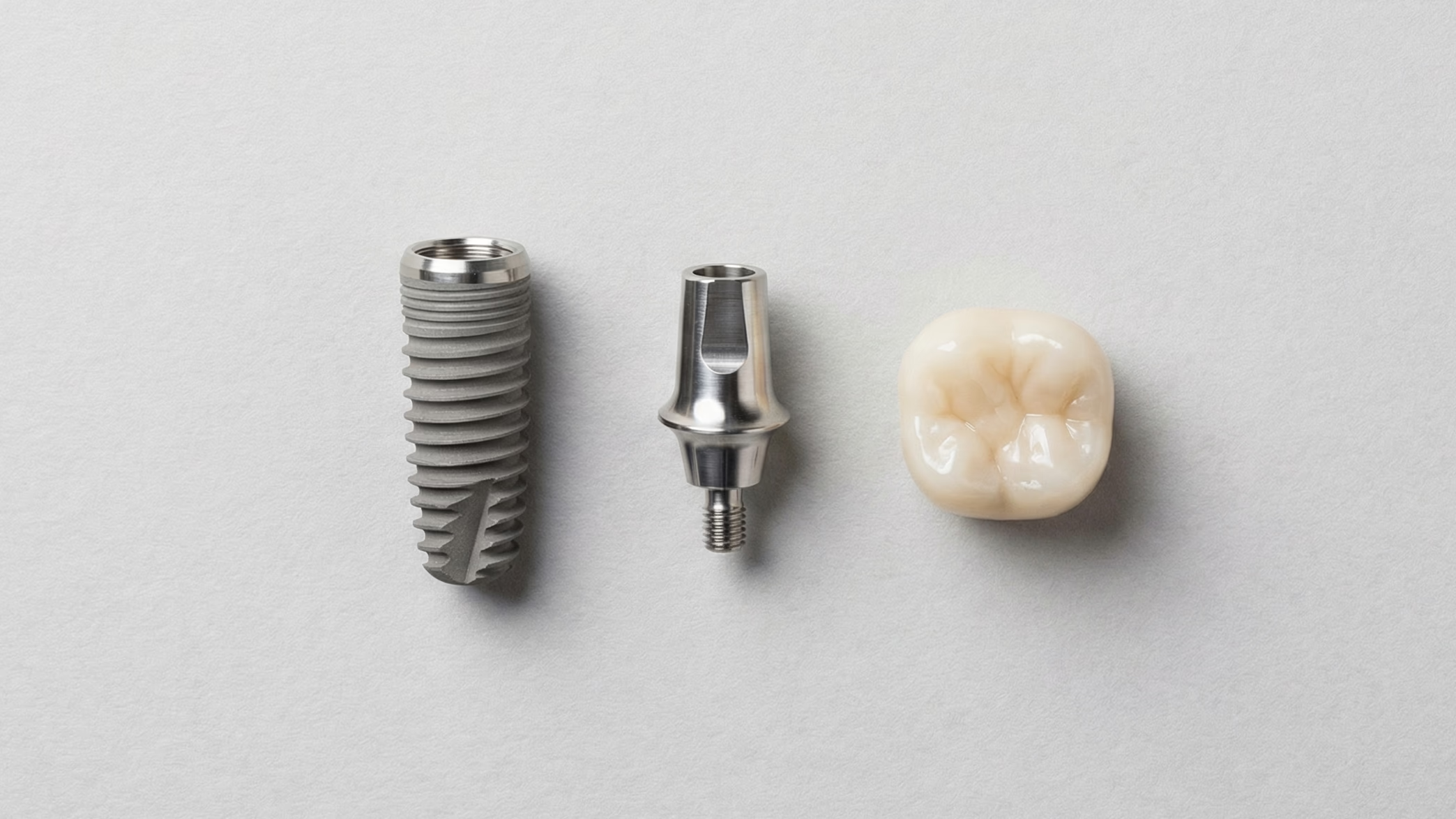
Main components of a dental implant including titanium implant, abutment, and dental crown
How Long Implantation Takes & When You Can Eat
Timeline for each stage and post-op dietary guidelines. What's allowed and what to avoid.
Side view of smile with ceramic veneers on front teeth
Veneers in Kyiv: a detailed guide for patients
What are veneers, who are they suitable for, how is the installation done, what are the types and prices in Kyiv.
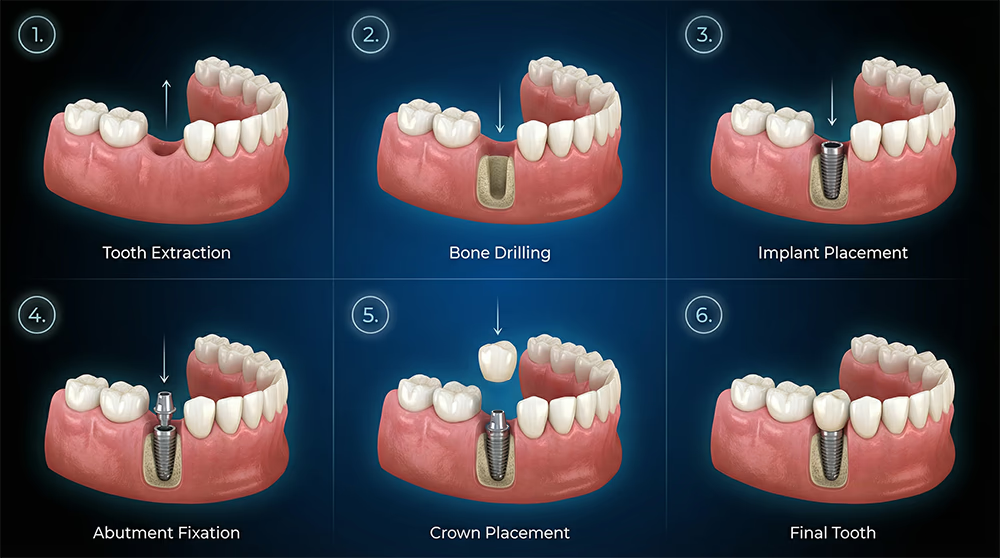
Dental implant procedure steps including tooth extraction, bone preparation, implant and crown placement
How Dental Implantation Works
Step-by-step guide: from consultation to crown. All stages, timelines, and answers to key patient questions.
Implants or Bridges: Which Lasts Longer
Comparing tooth restoration methods. What to choose for long-term results and value.
Close-up of ceramic veneers on the front teeth during fitting before fixing
10 myths about veneers
Top myths about veneers debunked: pain, tooth damage, longevity, and safety — explained by dental professionals.